Adaptive incentive layering that directs choice sequences in portable card environments
Written by Greta Wolf · Aug 1, 2026
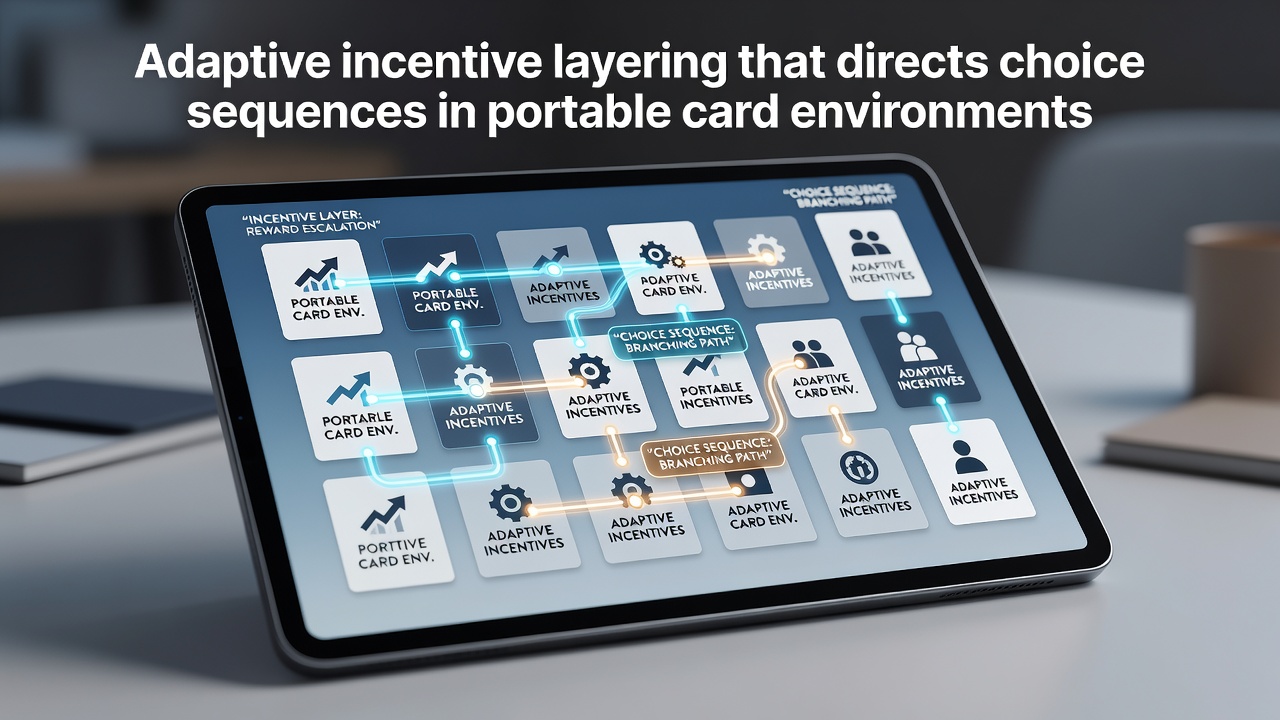
Adaptive incentive layering that directs choice sequences in portable card environments
Adaptive incentive layering operates through multiple reward tiers that adjust dynamically based on user interactions within mobile card platforms, where portable devices host digital representations of payment cards, loyalty cards, and transaction interfaces. Systems track sequences of choices such as spending patterns, redemption timing, and engagement frequency, then apply layered incentives that shift in real time to steer subsequent actions. Data from platform deployments shows these mechanisms integrate behavioral signals with predefined reward pools to maintain consistent user progression across sessions.
Core mechanisms behind layered incentive systems
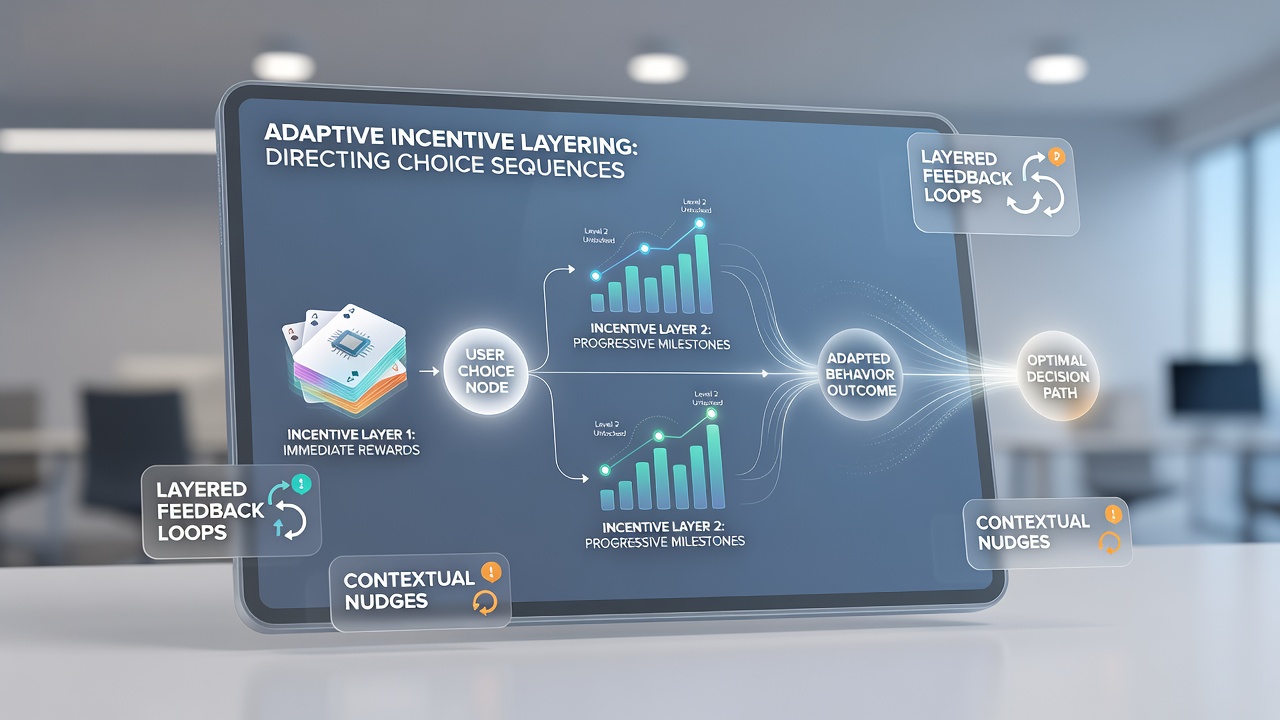
Researchers at institutions studying digital commerce note that incentive layers typically begin with base rewards tied to initial card activations or first transactions, followed by conditional tiers that unlock only after specific choice sequences occur. For instance a user who completes a payment followed by a balance check might receive an accelerated point multiplier, whereas a different sequence involving immediate redemption could trigger a delayed bonus structure instead. These adjustments rely on algorithms that process session metrics collected directly from handheld devices, allowing the system to recalibrate offers without requiring manual intervention from administrators.
Studies conducted across multiple markets indicate that the layering process incorporates both immediate feedback loops and longer-term accumulation rules, so users encounter rewards that adapt not only to single actions but also to patterns spanning several days or weeks. Portable card environments benefit particularly from this approach because mobile interfaces allow seamless switching between card views and incentive dashboards, reducing friction in the decision sequence.
Implementation across mobile payment and loyalty platforms
Developers integrate adaptive layering into applications that simulate physical card wallets, where each digital card carries its own incentive attributes that evolve according to usage data. In practice this means a loyalty card within the app might display escalating benefits when a user alternates between small frequent purchases and occasional larger transactions, creating a directed path through available options. Platform operators report that such systems draw from aggregated anonymized datasets to refine layer thresholds, ensuring the incentives remain aligned with observed choice behaviors across user cohorts.
European regulatory filings from 2025 detail how certain banking applications adopted these frameworks to manage reward distribution while complying with data protection standards, and similar structures appear in North American digital wallet services launched during the same period. Observers tracking industry adoption note that updates rolled out in August 2026 further refined the sequencing logic in several major platforms, incorporating additional variables such as time-of-day preferences and device location signals to fine-tune incentive delivery.
Data patterns and choice sequence modeling
Analysis of transaction logs from portable card systems reveals that users exposed to adaptive layers demonstrate measurable shifts in sequence length and variety compared with static reward setups. One documented case involved a regional payment network where average session duration increased after the introduction of layered incentives that responded to three-step choice chains, such as viewing a card balance, selecting a reward category, and completing a qualifying purchase. Figures released by the Australian Bureau of Statistics in mid-2026 show growth in mobile financial app engagement coinciding with wider deployment of these adaptive techniques across financial institutions.
Engineers designing these environments emphasize the role of feedback timing, where incentives appear either immediately after a sequence completes or accumulate toward future unlocks depending on the layer configuration. This flexibility allows platforms to test different directional effects without altering the underlying card infrastructure, maintaining operational stability while experimenting with user guidance methods.
Integration with existing card infrastructure
Portable card environments often connect to backend systems that handle both traditional card processing and the overlay of incentive layers, ensuring that reward adjustments occur without disrupting core payment flows. Industry reports from Canadian financial regulators highlight successful pilots where layered incentives directed users toward specific card types within multi-card wallets, resulting in altered selection frequencies documented over multi-month observation windows. The architecture typically separates the incentive engine from the card emulation module, allowing independent updates to sequencing rules as new behavioral data becomes available.
Those monitoring technological convergence point out that artificial intelligence components increasingly handle the real-time matching of user sequences to appropriate incentive layers, drawing on historical patterns stored in secure cloud repositories. This setup supports scalability across large user bases while preserving the individualized nature of the directed choice sequences.
Conclusion
Adaptive incentive layering continues to evolve within portable card environments as platforms refine their ability to map and influence user decision sequences through structured reward adjustments. Evidence from regulatory disclosures, statistical agencies, and platform performance metrics demonstrates consistent application of these techniques across regions, with ongoing refinements observed through 2026. The approach centers on data-driven adaptation that maintains alignment between user actions and available incentive structures, supporting sustained engagement within mobile card interfaces.