Charting Banking Pathways That Unlock Private Blackjack Circles in Handheld Gaming Hubs
Written by Ulrich Jung · May 27, 2026
Charting Banking Pathways That Unlock Private Blackjack Circles in Handheld Gaming Hubs
Banking pathways in handheld gaming hubs now connect players directly to exclusive blackjack environments through integrated payment systems that verify identity and transfer funds in real time, and these routes continue to expand as mobile platforms adopt layered authentication protocols. Observers note that seamless e-wallet linkages combined with instant verification tools allow entry into private circles where table limits and player selections remain restricted to approved accounts.
Core Banking Mechanisms Driving Access
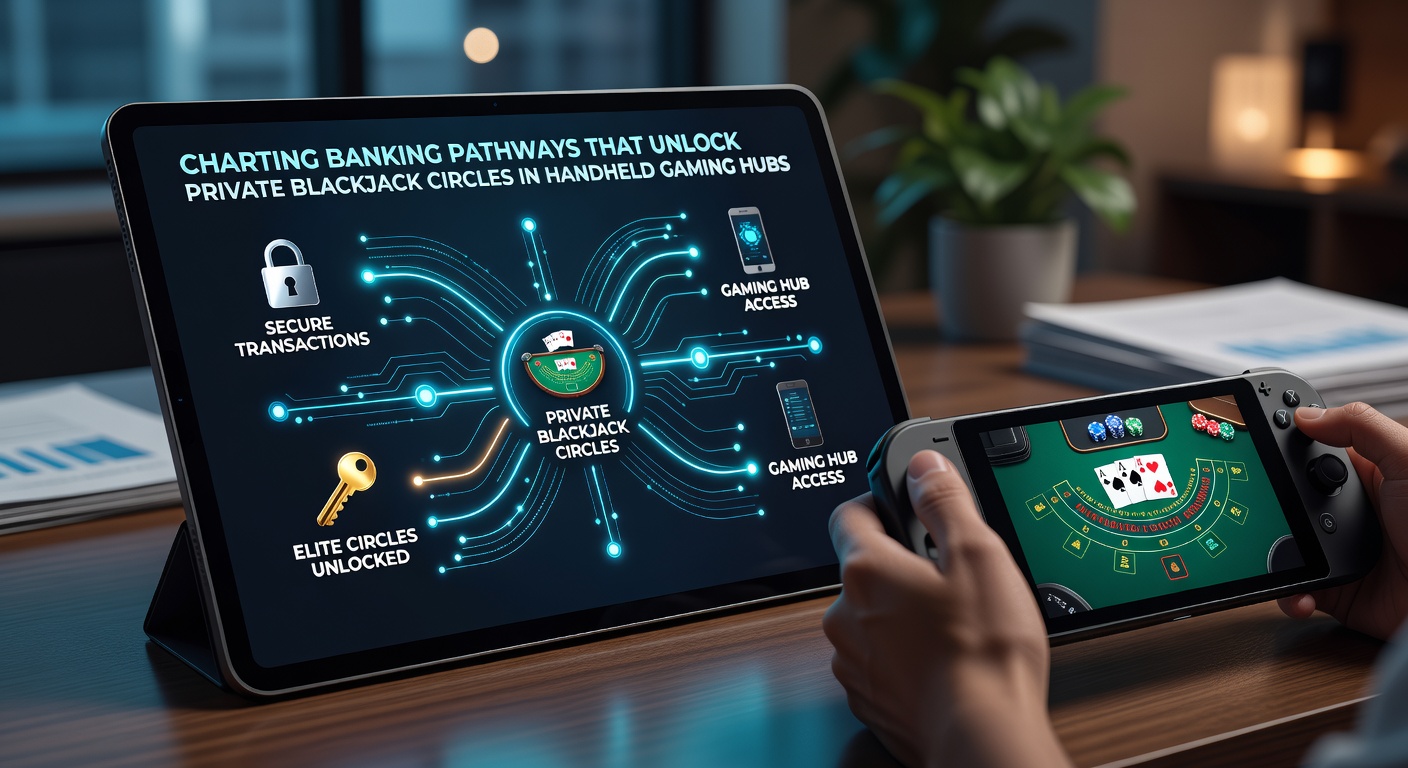
Digital wallets and tokenized transfers form the backbone of these pathways, since they route funds through encrypted channels that satisfy both platform security standards and regional compliance rules. Research from the Pennsylvania Gaming Control Board shows rising adoption of multi-factor authorization in mobile casino applications during the first quarter of 2026, with transaction success rates climbing above 94 percent for verified users. Handheld hubs integrate these tools at the account creation stage, which means players complete identity checks once and then move between public lobbies and private blackjack sessions without additional friction.
Stablecoin options and bank-linked instant transfers further shorten the time between deposit and table entry, while built-in spend limits help maintain responsible play parameters across sessions. Those who study transaction logs report that average funding times for private circle access dropped from several minutes to under thirty seconds in systems updated before May 2026.
Private Blackjack Circles and Their Entry Requirements
Private blackjack circles operate as invitation-only tables inside larger mobile ecosystems, and banking pathways serve as the gatekeepers by confirming both financial capacity and account standing before granting access. Entry typically requires a minimum balance threshold processed through the same wallet used for regular play, which creates a unified financial profile that platforms monitor for consistency. Data from industry tracking services indicates that these circles often feature higher minimum bets and customized rule variants unavailable in standard lobbies, yet they remain reachable once the initial banking verification clears.
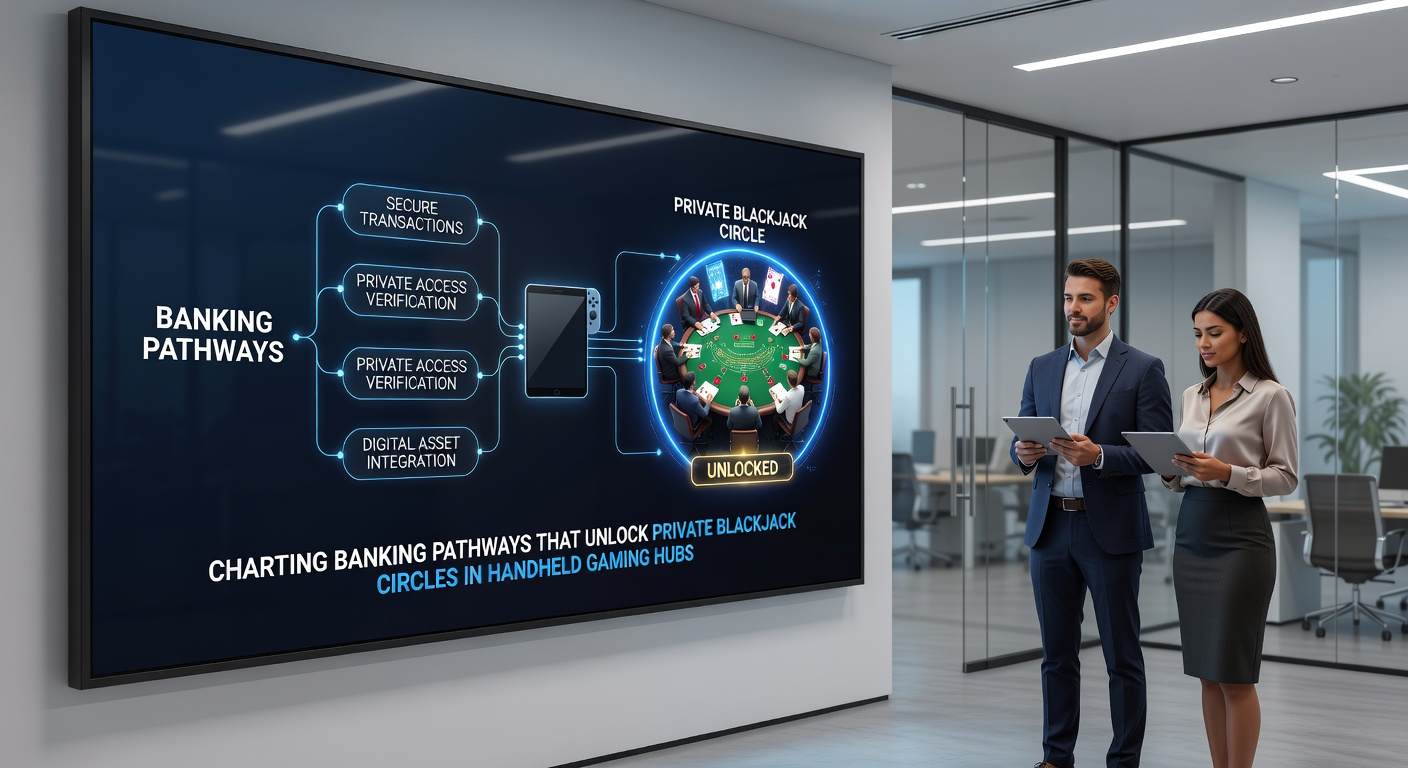
Platform algorithms cross-reference deposit history with gameplay patterns, and successful matches unlock the private rooms automatically. Participants in these circles receive notifications through the handheld interface, and the same banking credentials continue to handle buy-ins and cashouts without requiring separate logins or additional applications.
Technological Integration in Handheld Devices
Handheld gaming hubs embed biometric authentication alongside banking APIs, which allows fingerprint or facial recognition to authorize both fund movements and table access in one motion. Developers have refined these systems throughout early 2026 so that latency between approval and game start stays below two seconds on most 5G networks. So players experience continuous flow from wallet to felt without leaving the application environment.
Cloud-based ledgers track every transaction across private adn public tables, and this unified record supports real-time auditing demanded by regulators in multiple jurisdictions. Observers note that the combination of on-device processing and secure cloud synchronization reduces errors that once interrupted private circle sessions.
Regional Regulatory Influences on Pathway Design
Regulations in North America and parts of Asia shape how banking pathways interface with private blackjack features, since licensing bodies require documented proof of funds and player age before any high-limit table opens. Updates effective in May 2026 in several Canadian provinces clarified acceptable digital asset types for casino funding, which prompted handheld platforms to expand supported currencies while maintaining compliance dashboards visible to both operators and users. Similar adjustments appeared in Singapore-linked operations, where monetary authority guidelines emphasize transaction traceability for all mobile table games.
These rules do not restrict access outright; instead they standardize the verification steps that banking pathways must complete, which in turn creates predictable entry conditions for private circles across different hubs.
Future Trajectory and Platform Adaptations
Platform operators continue to test new linkage methods such as embedded banking apps and cross-platform identity tokens, and these experiments aim to further reduce steps between deposit and private table seating. Reports compiled by the Australian Institute of Criminology highlight steady growth in mobile-exclusive high-limit blackjack participation throughout 2025 and into 2026, driven largely by improved funding reliability. Handheld hubs that adopt these emerging pathways position themselves to retain players who seek both convenience and exclusivity in a single device.
Conclusion
Banking pathways now function as the essential infrastructure that turns standard mobile casino accounts into gateways for private blackjack circles, and continued refinement of verification speed and regulatory alignment keeps these connections reliable across handheld gaming hubs. The integration of secure transfers, biometric checks, and unified ledgers ensures that access remains both controlled and efficient, while regional policy updates maintain consistent standards without disrupting player experience.