Cross-Platform Reward Pathways and Strategic Decision-Making in Prolonged Mobile Wheel Gaming Sessions
Written by Greta Wolf · Aug 3, 2026
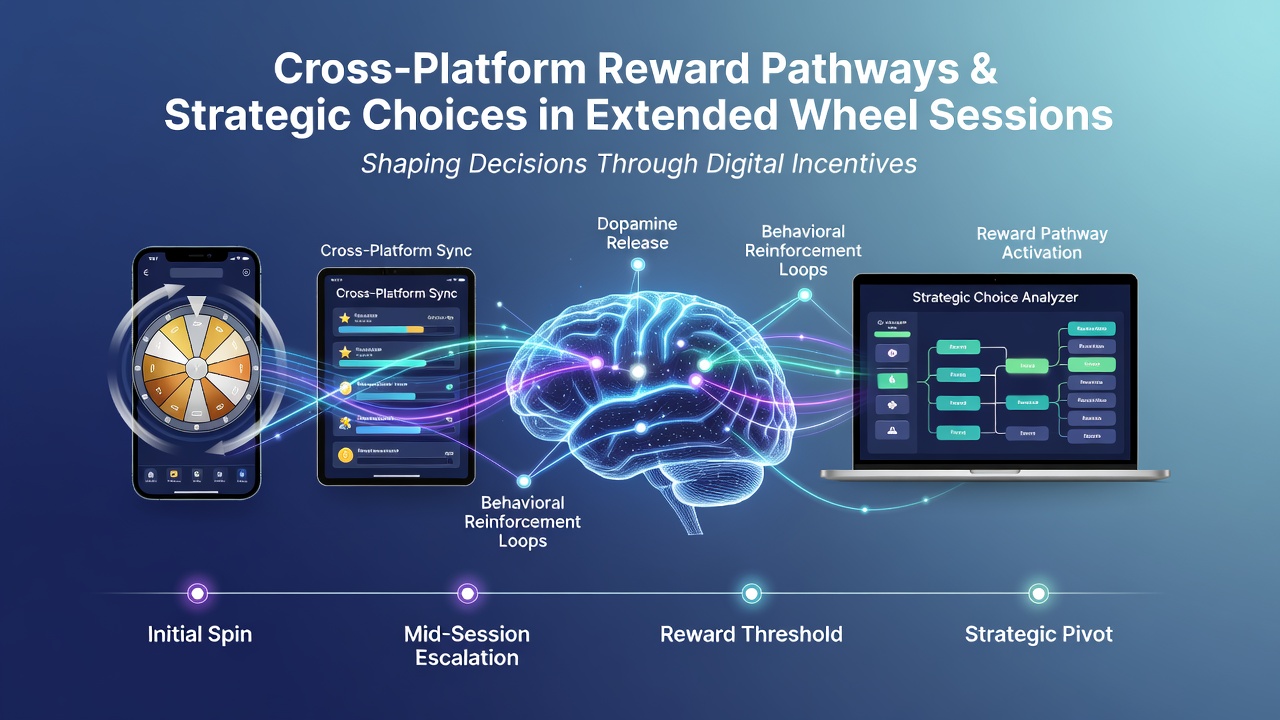
Cross-Platform Reward Pathways and Strategic Decision-Making in Prolonged Mobile Wheel Gaming Sessions
Cross-platform reward pathways function as interconnected systems that synchronize loyalty points, bonus credits, and tier advancements across mobile applications, desktop platforms, and web-based casino environments, allowing participants to maintain consistent progress regardless of device switches during wheel-based sessions such as roulette variants.
Mechanics of Reward Synchronization Across Devices
These pathways operate through centralized account databases that track wagering volume, session duration, and achievement milestones in real time, so a player accumulating points on a smartphone wheel game can redeem equivalent benefits on another device without resetting progress; data from industry reports indicates that synchronization reduces friction in extended play periods and encourages sustained engagement across multiple sessions.
Observers note that reward structures often include tiered multipliers where higher loyalty levels unlock accelerated point accrual rates on wheel bets, and these multipliers apply uniformly whether the session occurs on a mobile app or a linked desktop interface, creating predictable patterns that influence bet sizing and wheel selection choices over hours of continuous play.
Influence on Betting Patterns During Extended Sessions
Strategic adjustments emerge when participants recognize that cross-device rewards accumulate toward exclusive wheel variants or cashback thresholds, prompting shifts toward conservative betting sequences that preserve bankroll while meeting minimum wager requirements; researchers have documented how these incentives steer choices away from high-volatility single-number bets toward even-money options that sustain longer sessions.
Figures from regulatory summaries show that in periods leading into August 2026, mobile wheel sessions averaged 47 minutes longer among accounts enrolled in cross-platform programs compared to non-enrolled users, with the difference attributed to reward-driven decisions to extend play until tier thresholds activate.
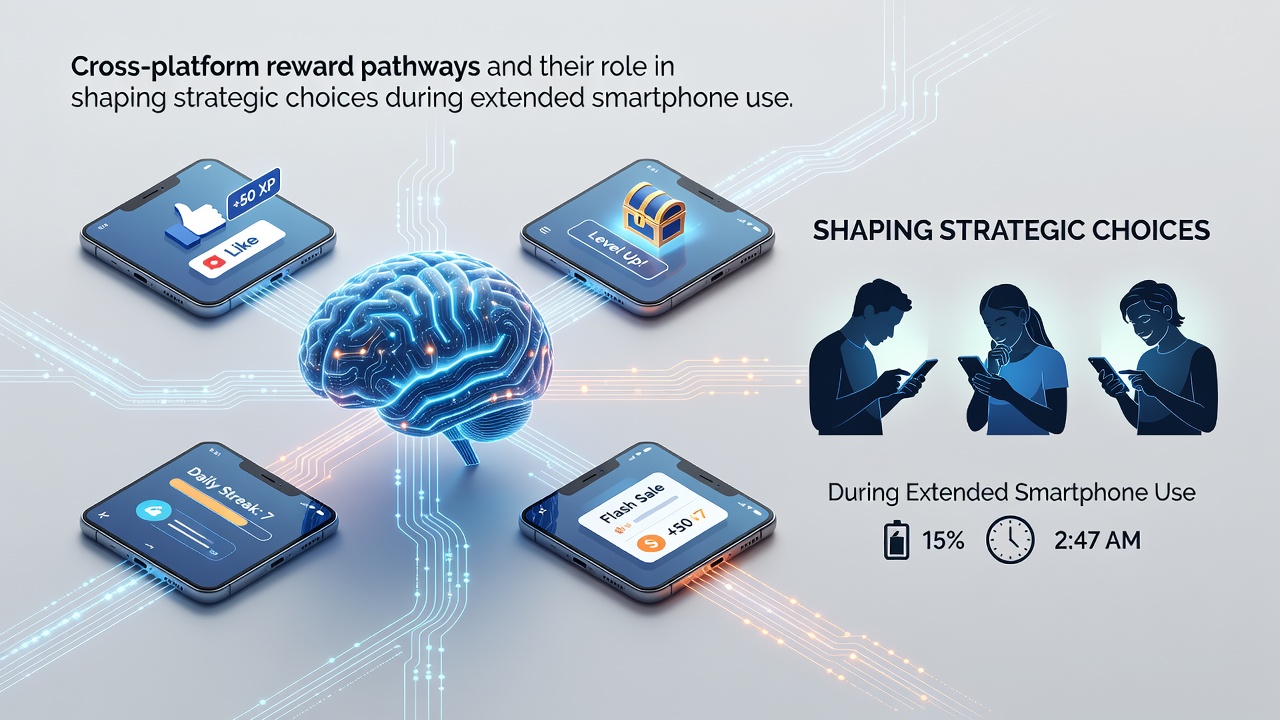
Platform Integration and Choice Architecture
Integration protocols ensure that reward notifications appear identically on smartphone interfaces, enabling seamless transitions that maintain momentum in wheel games; those who have examined usage logs report that players frequently adjust strategies mid-session after receiving alerts about nearing a reward milestone, such as switching from inside bets to outside bets to control variance while completing required playthrough.
According to analyses published by the American Gaming Association, cross-platform systems correlate with measurable changes in average bet frequency, where users route additional wagers through mobile channels to optimize reward eligibility across linked accounts.
Regional Data Patterns and Threshold Effects
Studies conducted by the Australian Gambling Research Centre reveal that threshold-based rewards reshape fund allocation decisions, with participants allocating higher portions of session budgets to wheel games once cumulative mobile play reaches specific loyalty tiers; these patterns hold steady in extended sessions exceeding two hours.
Evidence suggests that reward pathways also affect game variant selection, as unlocked features on one platform become accessible on smartphones, prompting strategic pivots toward variants that align with current tier benefits and reduce exposure to unfavorable house edges during prolonged sessions.
Conclusion
Cross-platform reward pathways continue to integrate with mobile wheel mechanics in ways that produce measurable shifts in session length, bet distribution, and variant preference, as documented across multiple regulatory and research sources through mid-2026; the synchronization of incentives across devices provides consistent feedback loops that participants incorporate into ongoing strategic adjustments without altering underlying game probabilities.