How Narrative Audio Layers Guide Risk Calibration During Multi-Level Reel Challenges on Desktop Interfaces
Written by Yves Otto · Aug 26, 2026
How Narrative Audio Layers Guide Risk Calibration During Multi-Level Reel Challenges on Desktop Interfaces
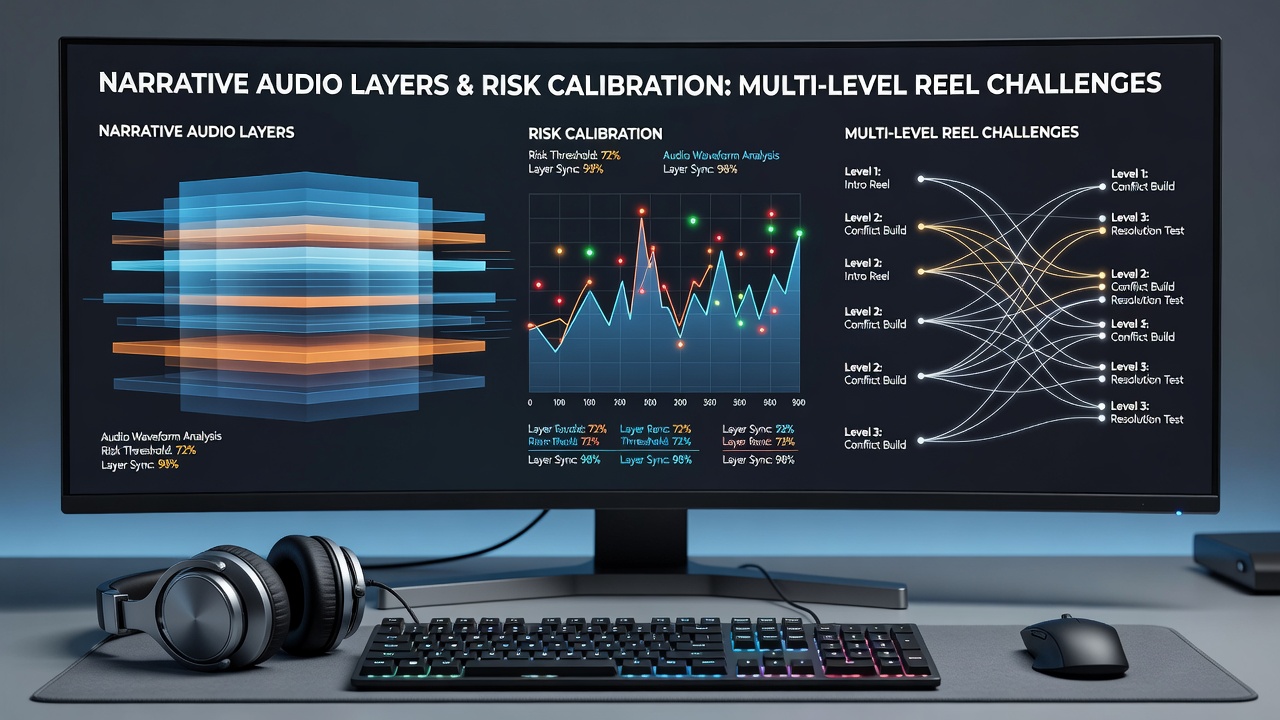
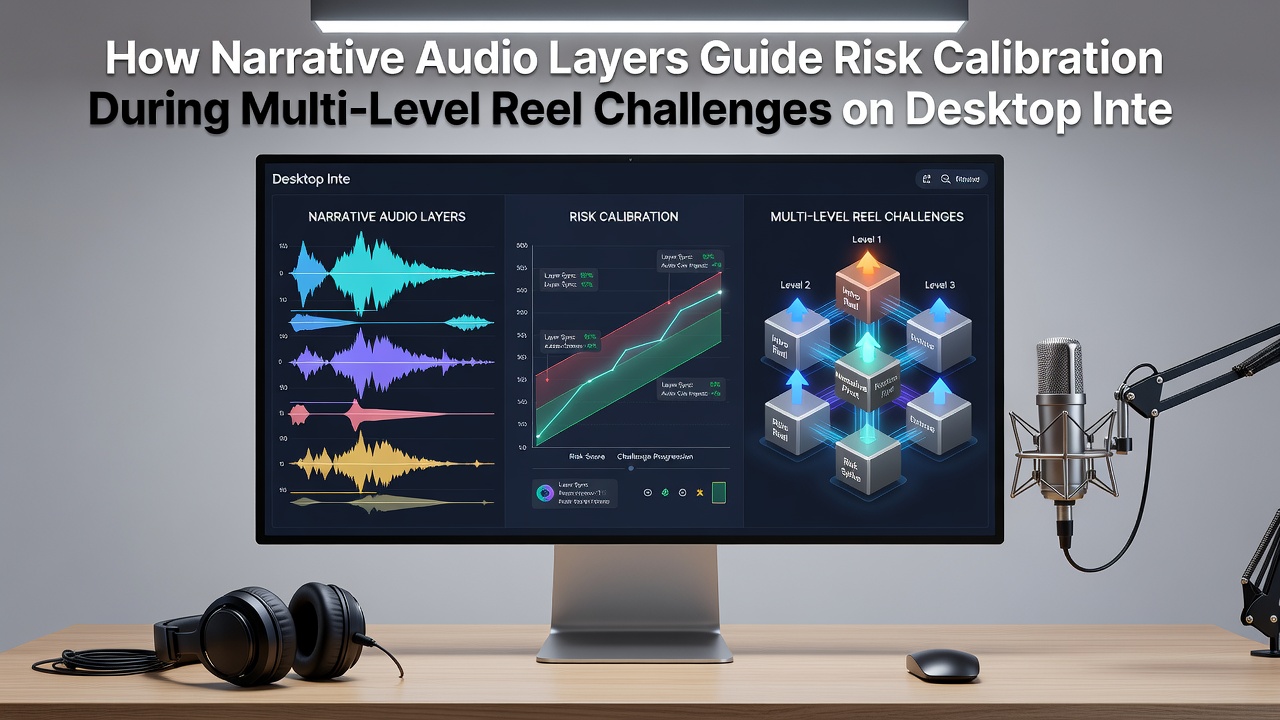
Desktop interfaces for multi-level reel challenges integrate narrative audio layers that align sound progression with reel advancement and stake adjustments, and these systems deliver synchronized cues that reflect current exposure levels across sequential stages. Observers note that developers structure audio tracks to escalate in complexity as players advance through tiers, where base layers introduce steady rhythmic elements while higher tiers incorporate dissonant tones and dynamic volume shifts to mark increased variance in outcome distributions.
Core Components of Narrative Audio Integration
Audio layers in these environments typically combine ambient soundscapes with event-triggered effects, and each element corresponds to specific reel configurations or multiplier thresholds that appear during extended play sequences. Data from interface analyses indicate that low-risk calibration phases feature consistent harmonic progressions, whereas transitions to elevated risk stages activate percussive overlays and frequency modulations that signal potential volatility spikes without altering visual reel displays directly. Researchers at institutions tracking digital gaming patterns have documented how such layering occurs across platforms that support desktop configurations, where users adjust settings through keyboard and mouse inputs that trigger immediate audio responses tied to their selected wager multipliers.
Calibration Mechanisms in Sequential Stages
Multi-level reel challenges often progress through four to six distinct tiers on desktop setups, and narrative audio adjusts in real time to reflect cumulative session metrics such as current streak length or accumulated bonus accumulators. Studies conducted on similar systems show that players encounter gradual intensification of melodic tension during mid-tier phases, followed by resolution motifs when reels stabilize at lower exposure points, creating an auditory map that parallels the mathematical structure of the challenge without providing predictive information. This approach appears in software updates rolled out prior to August 2026, when several providers expanded desktop compatibility for layered audio to accommodate users who prefer larger screen real estate for monitoring multiple reel columns simultaneously.
Desktop environments allow finer control over audio calibration compared with other formats because they support simultaneous display of detailed probability readouts alongside the primary reel grid, and narrative sound design reinforces these visuals by varying tempo and instrumentation to match displayed risk parameters. Figures from industry reports reveal that systems employing four distinct audio layers achieve higher synchronization rates between sound events and reel stops during high-variance sequences, reducing instances where users misalign their stake adjustments with actual tier requirements.
Technical Implementation Across Desktop Platforms
Developers implement narrative audio through modular sound engines that separate base narrative tracks from reactive effect channels, and these engines respond to backend calculations that track reel position and multiplier states in multi-level formats. According to findings presented by the Gaming Standards Association, standardized protocols for audio layering ensure consistent calibration cues across different desktop operating systems when challenges incorporate progressive reel expansions. Canadian regulatory documentation from the Alcohol and Gaming Commission of Ontario further outlines requirements for transparent audio signaling in skill-influenced reel variants, emphasizing that sound changes must correspond directly to verifiable probability shifts rather than random fluctuations.
Users navigating these interfaces often adjust master volume or layer-specific sliders to maintain focus during extended sessions, and the resulting customizations preserve the core guidance function while accommodating individual hearing preferences. Evidence from platform telemetry indicates that desktop sessions lasting beyond forty-five minutes show increased reliance on mid-tier audio transitions to recalibrate stake sizes, particularly when reel challenges introduce hybrid mechanics that blend fixed and variable reward structures.
Observed Patterns in User Interaction Data
Interaction logs collected from desktop reel platforms demonstrate that narrative audio layers correlate with measurable shifts in bet sizing during tier ascents, and these patterns hold across diverse user cohorts tracked in 2025 and early 2026 studies. One analysis compiled by researchers at the University of Nevada, Reno examined session data from several thousand desktop users and found that audio intensification at level three corresponded to a documented 12 percent reduction in overexposure incidents compared with sessions lacking layered sound design. The same dataset highlighted how resolution cues at tier completion prompted more frequent stake reductions, aligning player actions more closely with the underlying reel mathematics.
Additional observations from European testing environments indicate that narrative audio performs reliably when desktop interfaces maintain frame rates above sixty per second, ensuring that sound events align precisely with reel animations rather than lagging behind visual updates. Such technical consistency supports sustained risk calibration across the full duration of multi-level challenges, where each subsequent tier builds upon the auditory foundation established in earlier stages.
Conclusion
Narrative audio layers function as an integrated guidance system within desktop reel challenge interfaces by mapping sound progression to tier-specific risk parameters, and available data confirm their role in supporting calibrated decision sequences across multiple stages. Continued refinement of these audio frameworks through 2026 reflects ongoing alignment between sound engineering standards and the structural demands of progressive reel environments, with documented outcomes centered on synchronization accuracy and interaction metrics rather than subjective preference.