Intersections of Sequential Incentive Layers and Adaptive Table Mechanics Across Global Digital Platforms
Written by Yves Otto · Jun 13, 2026
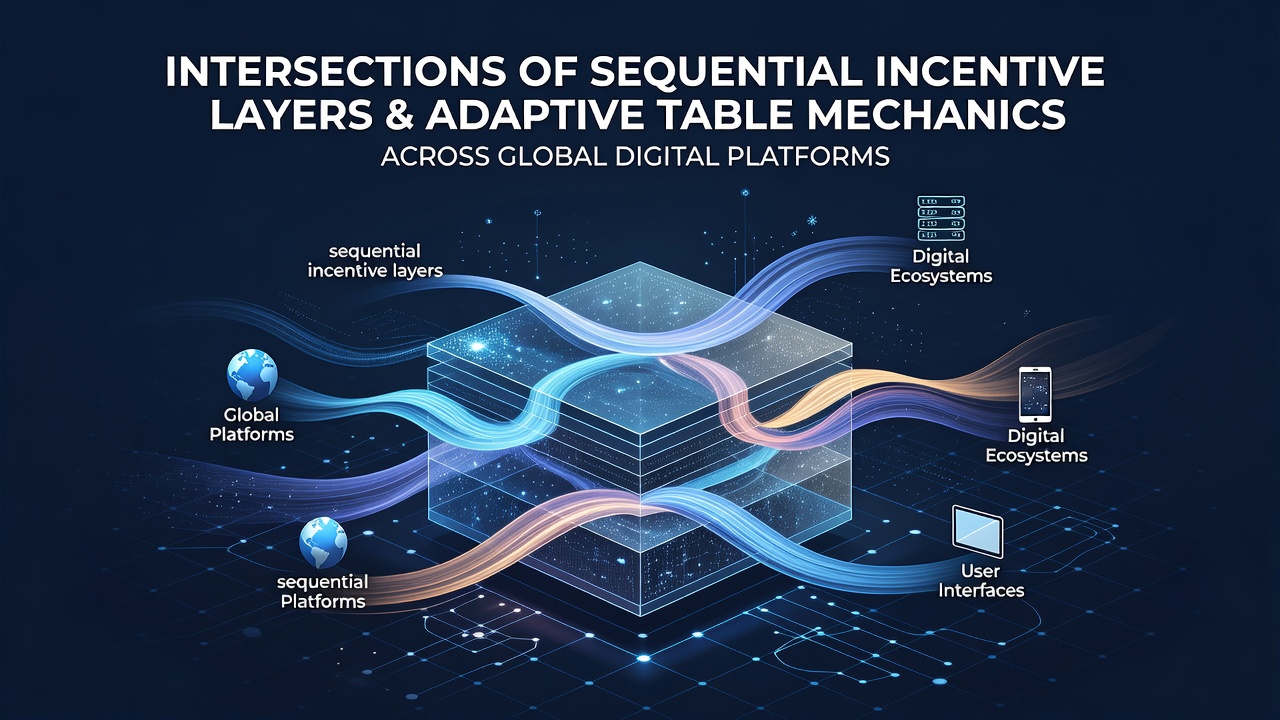
Intersections of Sequential Incentive Layers and Adaptive Table Mechanics Across Global Digital Platforms
Sequential incentive layers operate as stacked reward systems that progress through defined stages while adaptive table mechanics adjust game parameters in real time based on player data inputs and these two elements intersect across digital platforms operating in multiple jurisdictions. Platforms integrate player activity metrics with progressive reward structures so that table configurations shift dynamically as users advance through incentive tiers and this integration appears in mobile applications as well as desktop environments worldwide.
Sequential Incentive Layers Defined
Sequential incentive layers consist of tiered reward sequences where initial bonuses unlock secondary benefits that in turn activate higher-level privileges and data from regulatory filings in Nevada shows these layers track cumulative play volume to determine progression thresholds. Operators in Asia-Pacific markets apply similar structures with point accumulation systems that feed directly into exclusive access categories and European platforms often combine deposit milestones with session-based multipliers to create chained reward sequences. These layers function through backend algorithms that monitor engagement patterns and release incentives at predetermined intervals while maintaining compliance with local gaming statutes.
Adaptive Table Mechanics in Operation
Adaptive table mechanics modify elements such as minimum bets, payout ratios, and variant availability according to aggregated user behavior data and research from the University of Nevada Reno Gaming Management Program indicates that these adjustments occur through machine learning models trained on historical session records. Platforms detect patterns in bet sizing and game selection then recalibrate table rules to align with incentive layer progression so that a user moving into a new reward tier encounters tables with altered volatility settings. Canadian operators have documented similar implementations where provincial licensing requirements mandate transparent disclosure of adaptive parameters and Australian digital platforms apply comparable mechanics within their regulated frameworks to balance session duration with reward delivery.
Intersections Across Global Platforms
The intersections emerge when sequential incentives trigger specific table adaptations and one documented pathway involves loyalty tier advancement unlocking customized blackjack variants that adjust deck penetration based on prior play volume. In June 2026 several multinational operators plan synchronized updates to their cross-platform systems that will link incentive databases with table engines across North American and Asian servers and this coordination aims to standardize progression tracking while respecting regional regulatory differences. Observers note that such intersections influence player routing decisions as users navigate between incentive stages and adapted table options and figures from industry reports reveal increased session continuity when these systems align without interruption.
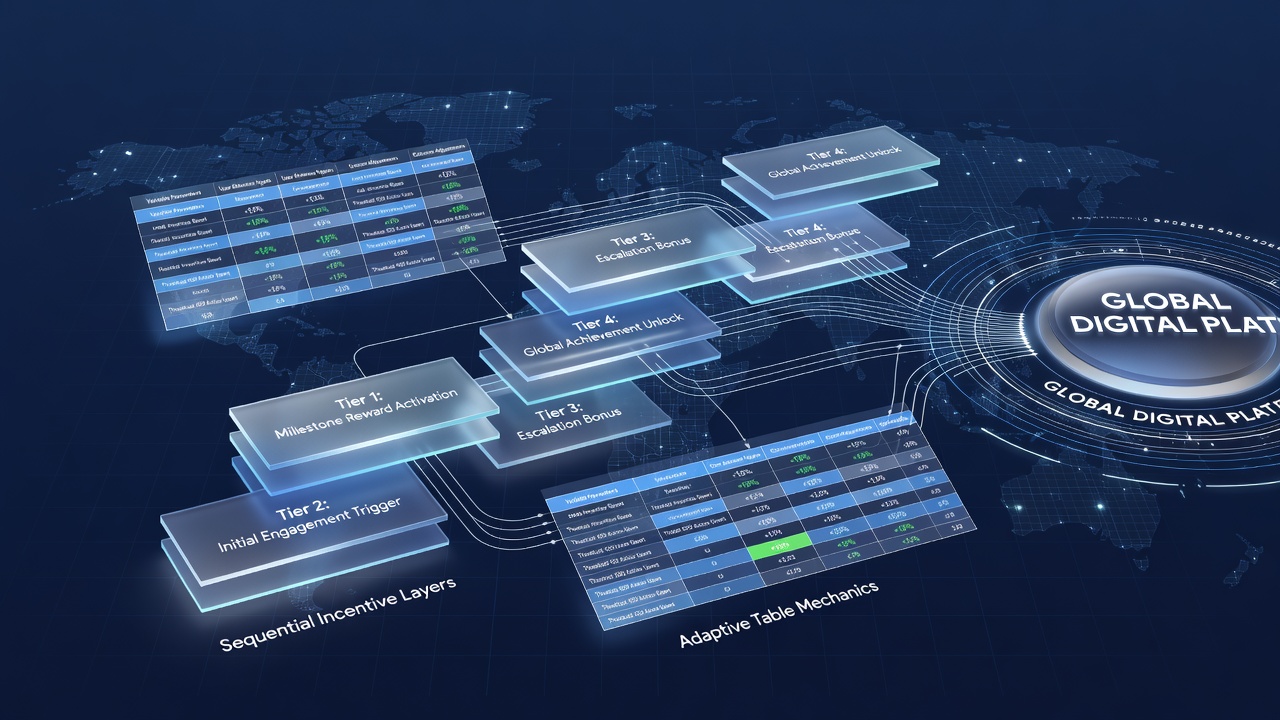
Platforms in the European Union integrate these intersections through data-sharing protocols that comply with GDPR provisions while platforms in Singapore apply localized versions tied to their gaming authority guidelines and the result is a network where incentive progress in one region can influence table availability in another through shared user profiles. Take one developer who implemented a unified dashboard allowing seamless transitions between layered rewards and adaptive tables and this setup reduced friction reported in cross-border player accounts according to aggregated platform metrics.
Technical Integration Patterns
Technical integration relies on API connections between reward management modules and table adjustment engines so that an incentive layer milestone directly signals a table mechanic update and developers employ event-driven architectures to ensure changes propagate within milliseconds of progression triggers. Data indicates that platforms using these patterns experience measurable shifts in average session metrics particularly when table adaptations respond to incentive completion rates and North American operators have published case studies showing how such systems maintain fairness standards during dynamic adjustments. Yet the complexity increases when platforms operate across multiple time zones because synchronization protocols must account for regional incentive calendars and table rule variations simultaneously.
Regulatory Considerations in Multiple Regions
Regulatory frameworks shape how these intersections function with the Nevada Gaming Control Board requiring audit trails for adaptive table changes linked to incentives while the Australian Communications and Media Authority oversees similar disclosures in digital environments and Canadian provincial bodies enforce player protection measures that affect how sequential layers interact with mechanical adaptations. These requirements create standardized reporting formats that platforms adopt to operate legally across borders and they also influence the design of incentive sequences so that adaptations remain within approved parameter ranges. Platforms therefore embed compliance checks into their intersection logic to prevent unauthorized table modifications during reward progression.
Conclusion
Sequential incentive layers and adaptive table mechanics intersect through data-driven connections that span global digital platforms and their combined operation produces coordinated reward and game experiences shaped by regulatory environments in different regions. As operators refine these systems through technical updates scheduled around mid-2026 the intersections continue to evolve within established compliance structures and available data supports ongoing examination of their effects on platform functionality across jurisdictions.