Investigating Transaction Routes That Accelerate Access to Tiered Rewards During Extended Digital Table Sessions
Written by Iris Friedrich · Jun 3, 2026
Investigating Transaction Routes That Accelerate Access to Tiered Rewards During Extended Digital Table Sessions
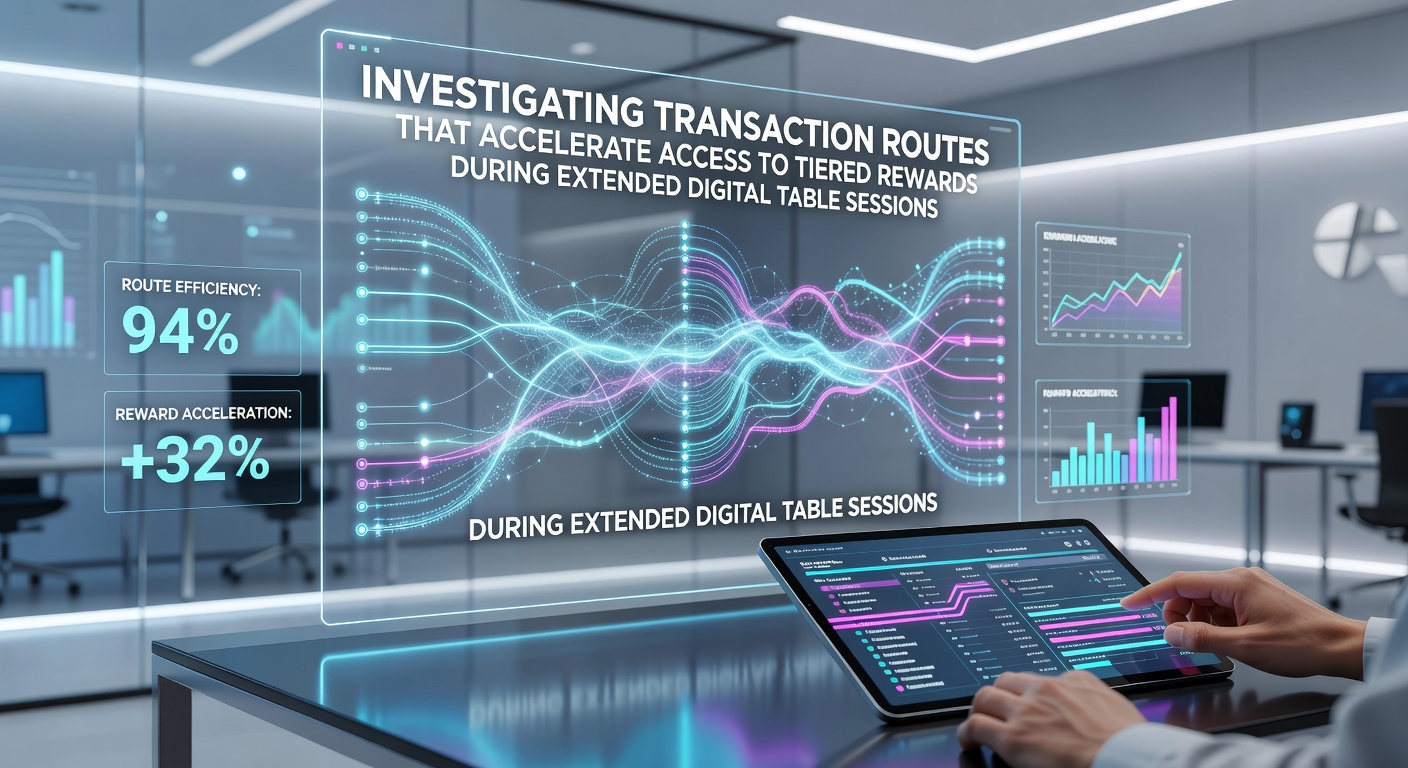
Digital table sessions often extend for hours as players engage with games like blackjack and roulette across various platforms, and transaction routes play a direct role in how quickly loyalty points accumulate toward higher tiers. Observers note that certain payment pathways credit rewards faster than others, which influences overall progression during prolonged play periods. Data from industry reports shows processing speeds vary by method, with some routes integrating directly into loyalty systems to update balances in real time.
Core Mechanics of Tiered Rewards Systems
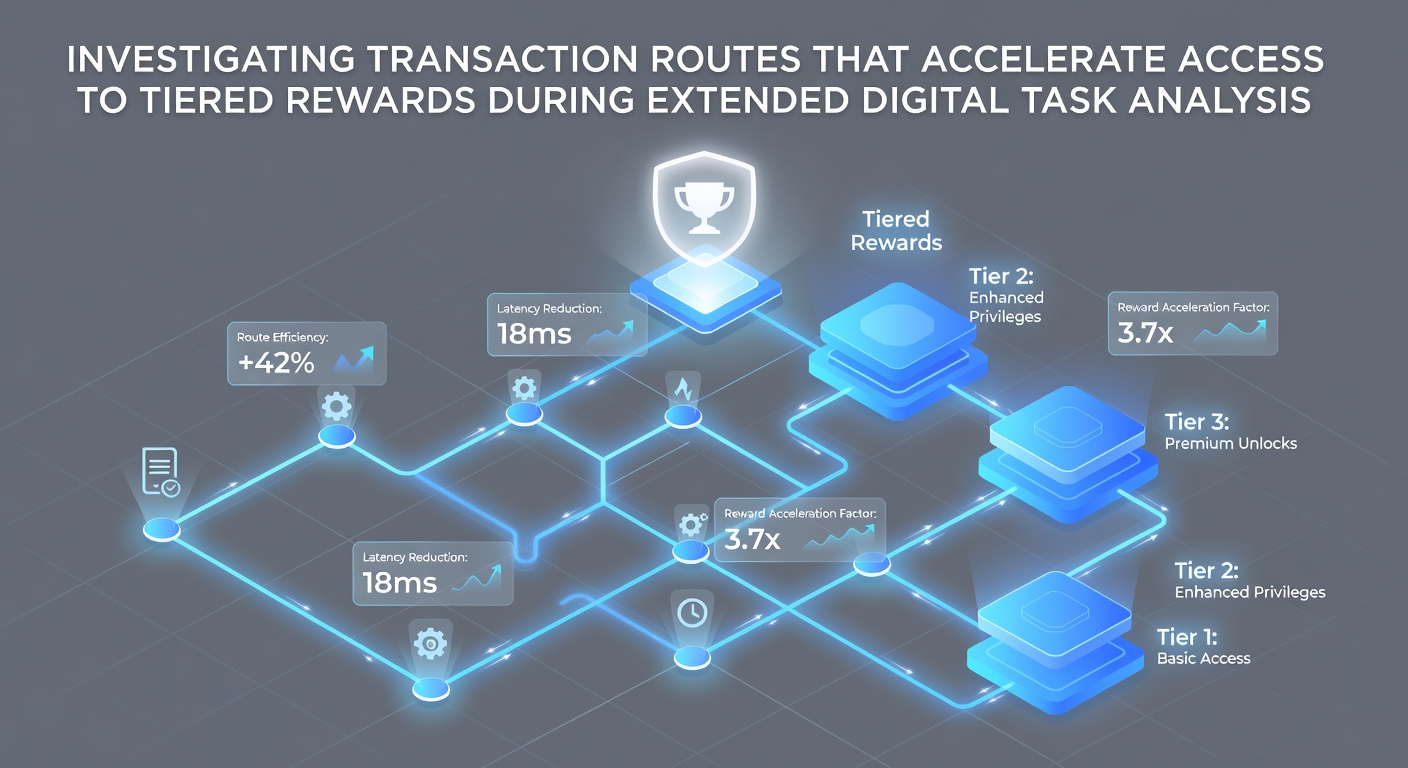
Tiered rewards typically operate on point thresholds that unlock benefits such as cashback percentages, exclusive table access, and personalized bonuses, and these structures depend on consistent activity tracking. Researchers have documented that platforms calculate points based on wager volume and session duration, yet the speed at which those points post hinges on the underlying transaction infrastructure. According to figures from the American Gaming Association, integrated payment solutions can reduce crediting delays from hours to minutes, allowing players to meet monthly or quarterly tier requirements without interruption.
Extended sessions amplify this effect because cumulative wagers build steadily, and any lag in point allocation creates gaps in progression. Studies indicate that seamless routes maintain momentum, whereas slower options force players to pause or switch methods mid-session. Those who've examined platform data find that e-wallet integrations and instant bank transfers often outperform traditional card processing in speed tests conducted across multiple operators.
Payment Pathways and Processing Differences
Transaction routes encompass credit cards, debit transfers, e-wallets, and bank wires, each carrying distinct timelines for fund movement and reward synchronization. E-wallets frequently connect through APIs that feed directly into loyalty engines, which means points register almost immediately after a deposit clears. Bank transfers, by contrast, may involve verification steps that delay updates by several hours, particularly during peak activity windows. Data shows that platforms using automated reconciliation tools cut these delays significantly, enabling faster tier climbs in table environments where bets accumulate rapidly.
What's interesting is how route selection affects extended play specifically. Players who rely on slower methods often encounter temporary stalls in their visible point totals, which disrupts strategic decisions about when to increase stakes. Research from academic sources highlights that real-time crediting correlates with higher retention rates in digital table segments, as participants see tangible progress without waiting for batch updates. Figures reveal average processing variances of up to 45 minutes between leading e-wallet options and standard card routes in comparative analyses released in early 2026.
Influence of Session Length on Route Effectiveness
Longer digital table sessions generate higher total wagers, which in turn pressures the transaction system to handle volume without bottlenecks. Observers point out that routes optimized for high-frequency deposits maintain consistent point flow, whereas less efficient pathways create cumulative lags that become noticeable after three or four hours of continuous play. Canadian regulatory summaries from provincial bodies indicate that platforms prioritizing instant verification see improved tier completion rates among users who favor extended sessions.
June 2026 brought updated reporting standards from several gaming authorities that now require operators to disclose average crediting times for different payment types. These disclosures allow clearer comparisons, and early data from those reports suggests e-wallet routes achieve tier thresholds 20 to 30 percent sooner than legacy methods under identical wager conditions. Experts analyzing session logs note that players who switch to faster routes mid-session often recover lost momentum and reach the next loyalty level within the same play period.
Platform Integration and Data Tracking
Modern platforms embed transaction monitoring directly into their backend systems, which tracks not only deposits but also how each route interacts with loyalty algorithms. This integration means that certain routes trigger bonus multipliers or accelerated point rates automatically once a session exceeds predefined durations. Research indicates these automated adjustments occur more reliably when payment data flows through dedicated channels rather than third-party processors that batch information overnight.
Take one analysis of user behavior patterns where participants using instant routes completed tier requirements during single extended sessions, whereas others using slower options required multiple separate logins. The difference stems from verification layers and reconciliation schedules that vary by financial institution and platform partnership. Data from European gaming trade groups shows that operators investing in unified payment-ledger systems report measurable gains in tier advancement metrics across their table game portfolios.
Conclusion
Transaction routes shape the pace of tier progression in extended digital table sessions through differences in processing speed, integration depth, and real-time synchronization. Evidence from regulatory updates effective in June 2026 and ongoing industry studies demonstrates that optimized pathways deliver points faster, supporting uninterrupted advancement during prolonged play. Platforms that align payment infrastructure with loyalty tracking provide measurable advantages in reaching higher reward levels based on wager volume and session continuity alone.