Linking Seasonal Tournament Brackets to Evolving Payout Structures Across Interconnected Digital Gaming Networks
Written by Yves Otto · Jun 27, 2026
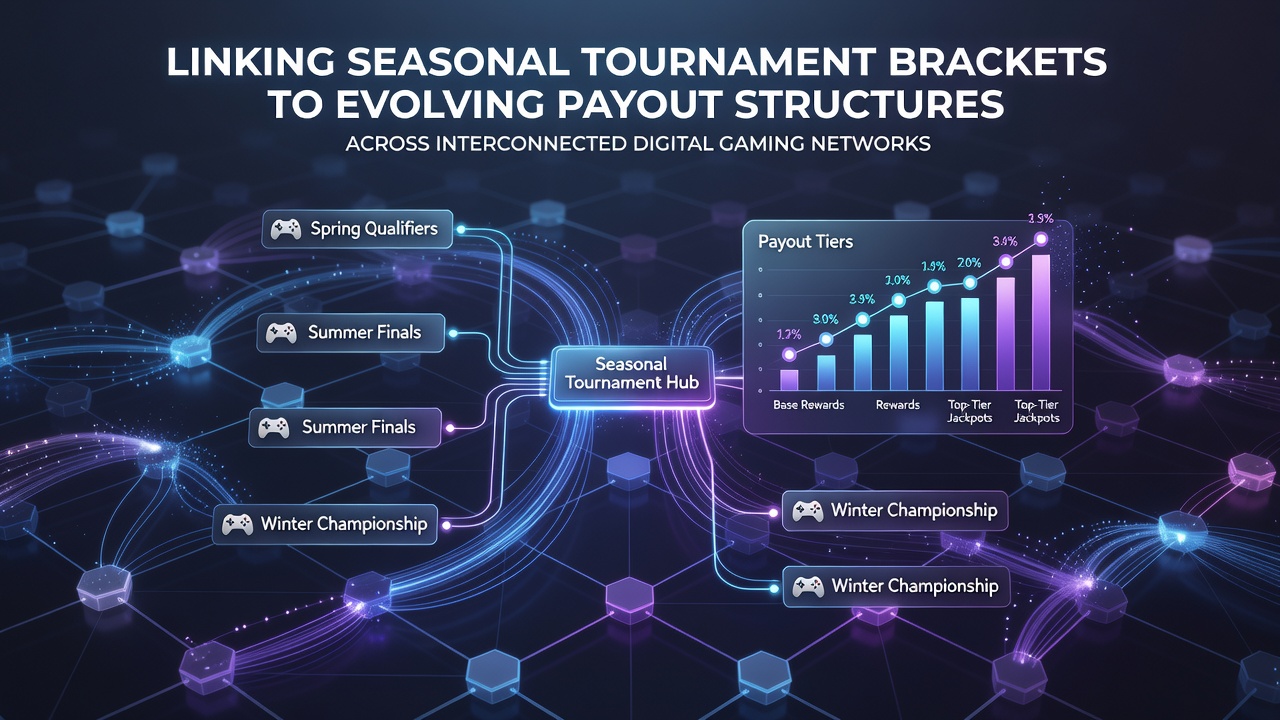
Linking Seasonal Tournament Brackets to Evolving Payout Structures Across Interconnected Digital Gaming Networks
Seasonal tournament brackets in digital gaming networks connect directly to payout structures that adjust based on player volume and cross-platform participation data. These brackets organize competitors into elimination rounds or group stages that run on fixed calendars, and networks update reward distributions as engagement metrics shift throughout each cycle. Interconnected systems share player pools and performance records, which allows payout formulas to incorporate real-time inputs from multiple platforms simultaneously.
How Bracket Formats Integrate with Network Data Flows
Single-elimination brackets and Swiss-system formats pull participation numbers from linked servers, then recalculate prize pools according to preset scaling rules. When total entrants exceed thresholds set at the start of a season, operators expand upper-tier payouts while maintaining fixed minimum rewards for early-round exits. Data from these networks shows that bracket advancement rates influence how funds redistribute across remaining players, with higher retention in later stages triggering incremental increases in final payouts.
Observers note that interconnected platforms synchronize these adjustments through shared APIs, so a surge in one regional server automatically recalibrates bracket seeding and associated reward tiers across others. This linkage prevents isolated tournaments from operating with outdated payout tables when overall network activity changes.
Seasonal Adjustments and Participation Metrics
Each season introduces bracket modifications tied to historical data from the previous period. For instance, summer cycles often see expanded qualifiers because enrollment rises, and networks respond by layering additional payout bands for mid-bracket finishers. Reports compiled by the American Gaming Association indicate that digital tournament entries across major platforms grew by 14 percent between the first and second quarters of 2026, prompting several operators to revise their reward multipliers before the June reporting period.
Those who track these systems find that payout evolution follows participation curves rather than fixed schedules. When bracket completion rates drop below seasonal averages, networks compress lower-tier rewards and redirect portions toward top placements to sustain competitive balance. This approach keeps total prize pools aligned with actual revenue generated during each phase of the season.
Cross-Platform Liquidity and Payout Redistribution
Interconnected digital gaming networks pool liquidity from multiple operators, which allows a single bracket to draw entrants from separate ecosystems while distributing payouts from a combined fund. Algorithms monitor aggregate entry fees and adjust distribution percentages at set intervals, typically after each round closes. In June 2026, several platforms reported that shared liquidity models produced more stable payout curves because volume spikes in one region offset dips in another.
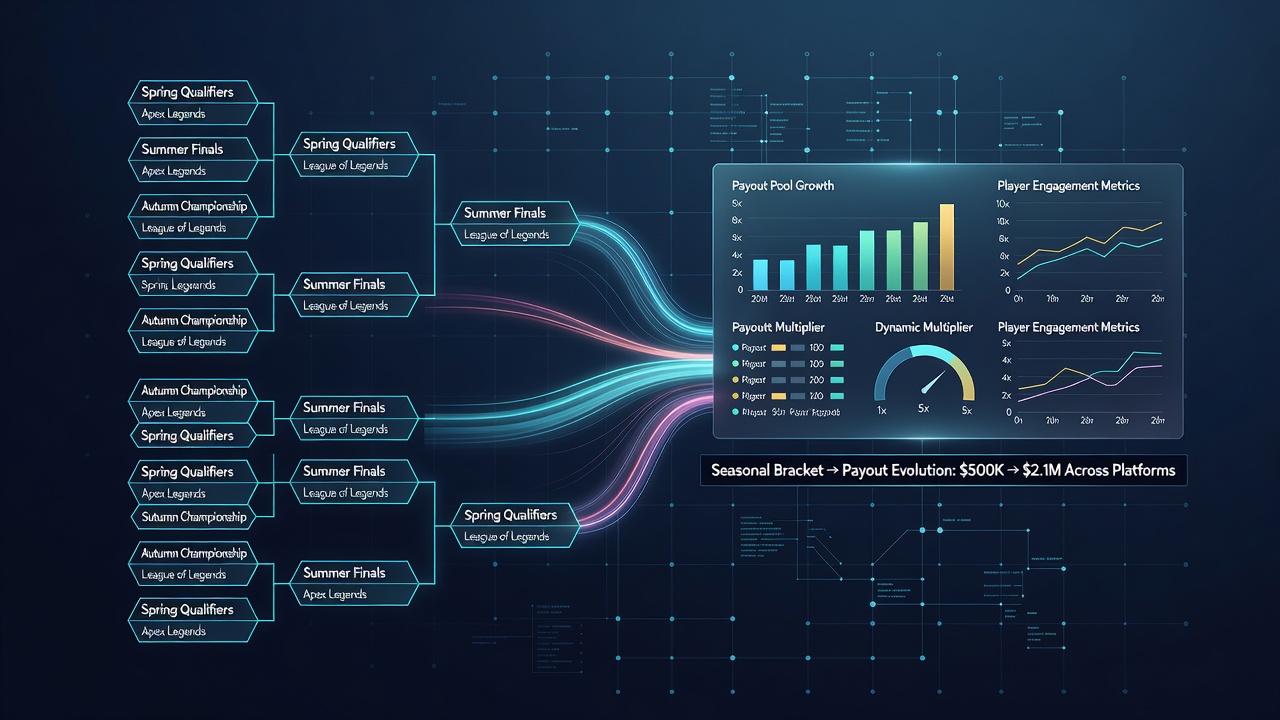
Researchers at the University of Nevada, Reno documented how these models reduce variance in final payouts by spreading risk across the network. Their analysis of 2025-2026 tournament seasons revealed that platforms using shared liquidity maintained payout consistency within 3 percent of projected ranges, even when individual server traffic fluctuated.
Regulatory Oversight of Bracket-Driven Payouts
Regulatory bodies in multiple jurisdictions require operators to document how bracket structures feed into payout calculations. The Nevada Gaming Control Board mandates quarterly submissions that detail any mid-season revisions to reward tables, while iGaming Ontario collects similar data to verify fairness across cross-border player pools. These filings show that seasonal bracket changes must receive approval before implementation when they affect payout percentages above established thresholds.
Compliance teams use automated logging to trace every adjustment back to the participation data that triggered it. This creates an auditable chain from initial bracket seeding through final payout disbursement, satisfying requirements that reward structures remain transparent and non-discriminatory.
Future Patterns in Bracket and Payout Linkage
Current trends point toward greater automation in how networks link bracket outcomes to evolving payouts. Machine learning models already test predictive adjustments based on early-season enrollment forecasts, allowing operators to publish preliminary payout tables that update automatically as brackets progress. Data from these systems continues to feed back into bracket design, creating tighter integration between format rules and reward distribution logic.
Those monitoring the sector expect continued expansion of shared-network brackets, particularly as more jurisdictions authorize interstate or international player connectivity. The existing framework demonstrates that seasonal tournament structures and payout evolution function as interdependent components rather than separate processes.
Conclusion
Seasonal tournament brackets and evolving payout structures operate through direct data linkages in interconnected digital gaming networks. Participation metrics drive bracket scaling, while shared liquidity pools enable consistent reward redistribution across platforms. Regulatory documentation and academic analyses confirm that these connections produce measurable stability in payout outcomes when volume changes occur. The patterns established through 2026 indicate that further automation will strengthen the relationship between bracket progression and final reward calculations.