Mapping Interconnected Pathways of Digital Token Exchanges and Their Impact on Extended Session Dynamics in Portable Entertainment Platforms
Written by Greta Wolf · Jun 10, 2026
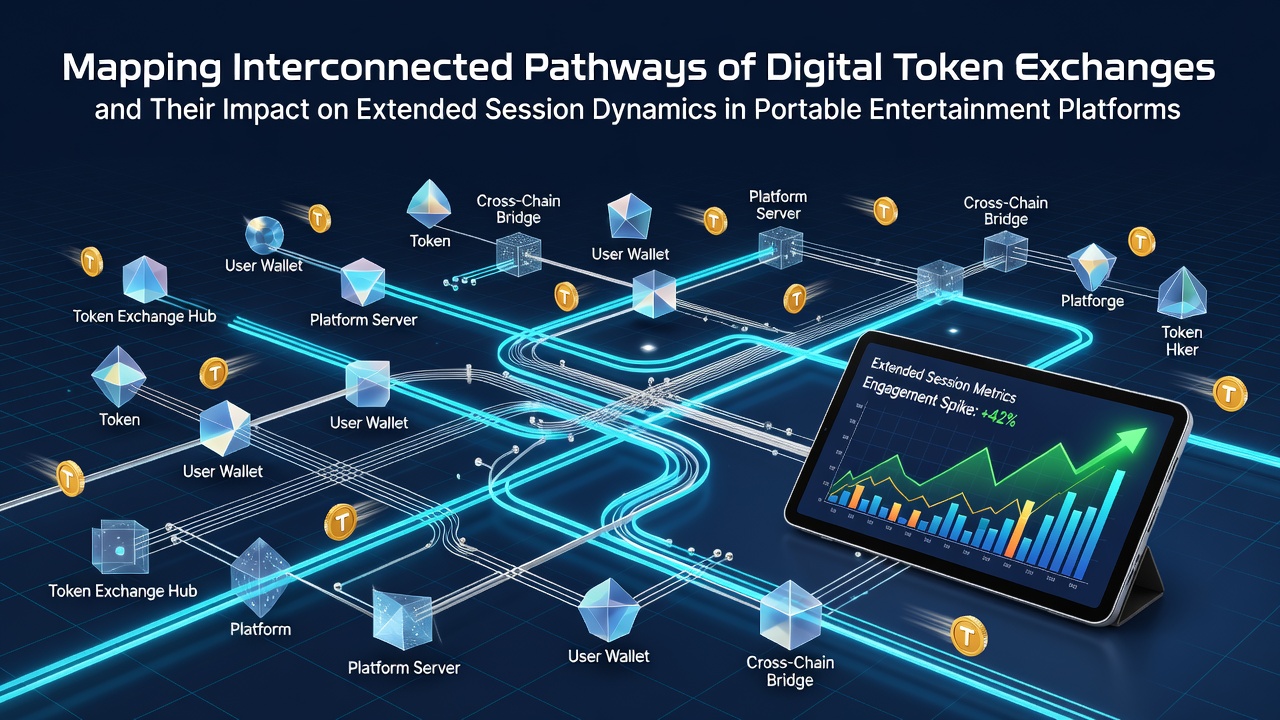
Mapping Interconnected Pathways of Digital Token Exchanges and Their Impact on Extended Session Dynamics in Portable Entertainment Platforms
Digital token exchanges operate through layered networks that connect user wallets, platform ledgers, and external liquidity pools, and observers note these pathways shape how long sessions last on portable entertainment devices. Research from academic institutions shows transaction routing decisions directly influence session continuity because faster confirmations reduce interruptions while slower routes prompt users to pause or switch applications entirely.
Core Components of Token Exchange Pathways
Portable entertainment platforms integrate multiple exchange mechanisms including on-chain transfers, off-chain settlements, and hybrid bridges that move value between centralized exchanges and decentralized protocols, and data indicates each route carries distinct latency profiles that affect real-time engagement metrics. Those who analyze network graphs find that interconnected nodes often cluster around regional liquidity hubs where token pairs achieve higher velocity, which in turn supports longer continuous play windows on mobile devices.
Studies conducted by research teams at institutions such as the University of Nevada, Las Vegas reveal that users who select low-fee pathways tend to maintain sessions beyond thirty minutes more frequently than those routed through higher-cost corridors. The patterns emerge because reduced friction at each hop allows seamless top-ups without forcing users to exit the application interface.
Session Dynamics Under Token Flow Pressures
Extended sessions on handheld platforms depend on uninterrupted token availability, and mapping exercises demonstrate that clustered exchange nodes create bottlenecks during peak hours when multiple users initiate simultaneous transfers. Figures from industry reports compiled in early 2026 highlight how platforms employing dynamic routing algorithms experience fewer session terminations because they redirect traffic away from congested pathways toward secondary nodes with spare capacity.
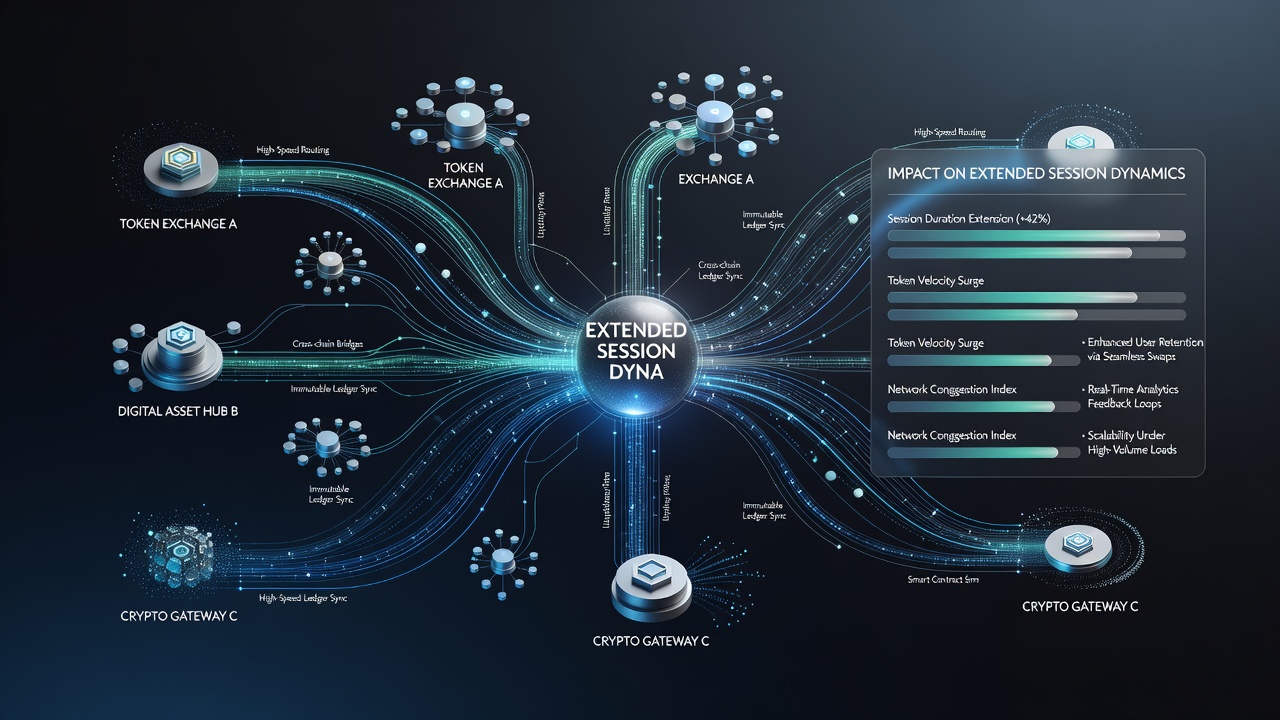
What's interesting is how latency spikes above four seconds correlate with measurable drops in session retention, according to telemetry collected across multiple portable operating systems. Researchers discovered that platforms providing users with visible pathway options, such as selecting between direct wallet transfers and aggregator services, record higher average engagement durations because individuals can choose routes matching their connectivity conditions.
Developments Observed Through June 2026
By June 2026 several portable entertainment providers had implemented predictive routing models that anticipate congestion based on historical token flow data, and these systems adjust exchange pathways automatically before users notice delays. Reports issued by the Australian Communications and Media Authority document similar infrastructure upgrades across regional operators, noting that session length metrics improved by measurable percentages following the adoption of such adaptive frameworks.
Take one analysis performed by data scientists who tracked over two million mobile sessions: platforms that mapped their token exchange graphs in advance achieved more stable fund routing during extended periods because they maintained redundant connections to multiple liquidity sources. The same study indicated that users accessing entertainment applications through 5G networks benefited most from these optimizations since higher bandwidth allowed rapid fallback to alternate pathways when primary routes slowed.
Geographic Variations in Pathway Architecture
Exchange pathway structures differ by jurisdiction because regulatory requirements dictate which tokens platforms may list and how settlement must occur, and observers note these differences produce distinct session behavior patterns. In markets where stablecoin usage dominates, sessions extend further on average since price volatility exerts less pressure on user decisions to exit and check balances elsewhere.
European regulatory filings from bodies overseeing digital asset services show platforms incorporating mandatory disclosure of routing fees before each transaction, which has led to more deliberate user choices and correspondingly steadier engagement curves. Meanwhile North American operators have focused on integrating instant settlement layers that bypass traditional banking delays, allowing sessions to continue without the pauses once common during cross-border token movements.
Conclusion
Mapping interconnected pathways of digital token exchanges provides concrete insights into the mechanics that sustain or interrupt extended sessions on portable entertainment platforms, and continued data collection through 2026 will likely refine these models further. The evidence accumulated so far establishes clear connections between routing efficiency, latency management, and session duration across diverse device ecosystems.