Mapping Regulatory Timelines Against Progressive Pool Integrations in Cross-Border Digital Gaming Networks
Written by Elena Günther · Aug 19, 2026
Mapping Regulatory Timelines Against Progressive Pool Integrations in Cross-Border Digital Gaming Networks
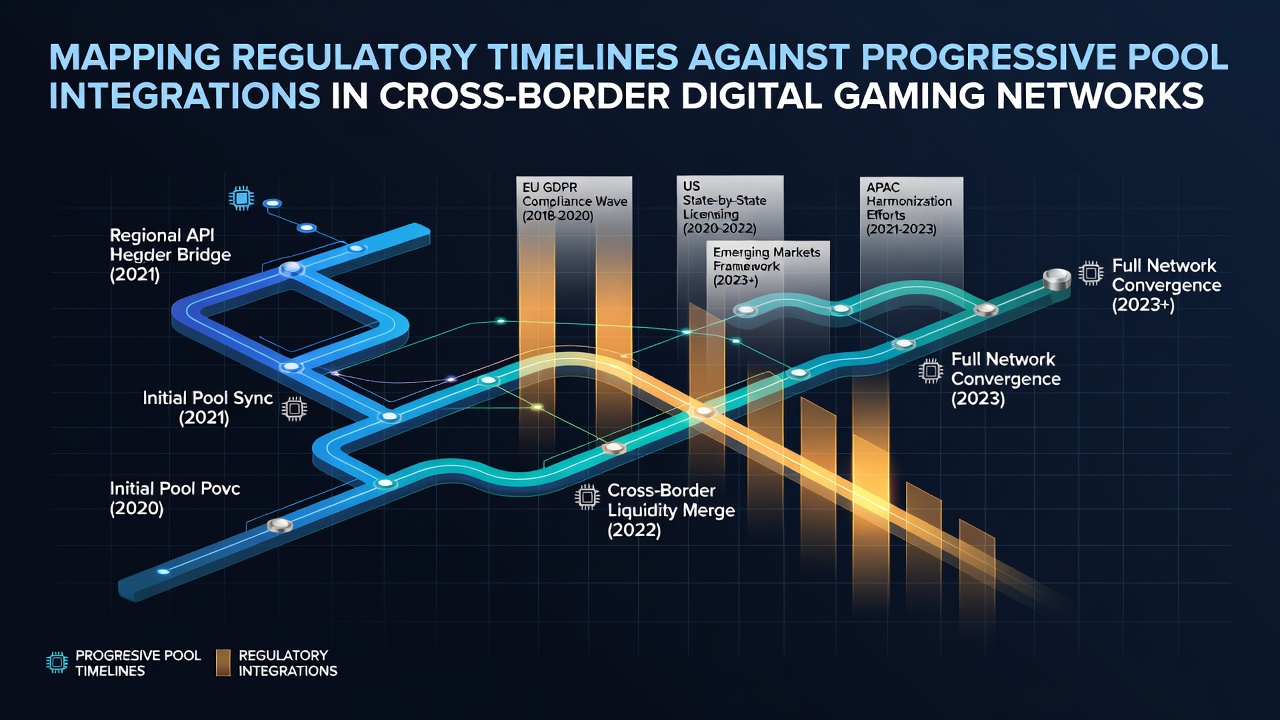
Regulatory timelines in cross-border digital gaming often intersect with technical rollouts of progressive pool systems, and observers note that alignment between these elements shapes how operators expand jackpot networks across jurisdictions. Data from industry reports shows that staggered approval processes in various regions create distinct windows for integration testing, while progressive pools require synchronized software updates to maintain prize accumulation across borders. Those who've tracked these developments find that August 2026 marks a period when several European and North American frameworks reached key review stages simultaneously, prompting fresh assessments of compatibility standards.
Regional Regulatory Schedules and Their Impact on Pool Mechanics
European directives on digital services set phased implementation dates that directly affect how progressive jackpot pools connect between member states, and researchers at institutions monitoring gaming policy indicate that updates scheduled for mid-2026 introduced new requirements for data localization within pooled systems. Meanwhile North American state-level approvals followed separate calendars, with certain Canadian provinces finalizing online gaming expansions around the same timeframe that allowed limited cross-border linkages under strict revenue-sharing rules. Observers note that these overlapping periods forced network architects to adjust pool contribution rates to match differing tax reporting cycles across the involved territories.
Technical Integration Points in Progressive Systems
Progressive pool integrations rely on real-time contribution tracking that must comply with each jurisdiction's audit protocols, and experts at gaming technology firms report that middleware solutions emerged in 2025 to handle multi-currency conversions while preserving pool integrity. These tools became essential when operators sought to link North American and European player bases under frameworks that demanded transparent prize allocation logs. Data shows that August 2026 saw several platforms activate enhanced API layers designed to flag regulatory changes automatically, reducing the risk of pool disruptions during compliance transitions.
Alignment Challenges Across Jurisdictions
Mapping exercises conducted by industry associations reveal that progressive pool expansions frequently encounter delays when one region's licensing renewal cycle does not coincide with another's technical certification process. For instance, certain Australian state regulators completed their digital gaming reviews earlier in 2026 than counterparts in parts of the United States, creating temporary gaps where full cross-border pool participation remained restricted. Those studying these patterns point out that operators responded by maintaining parallel pool structures, one for each aligned regulatory cluster, until unified timelines allowed broader integration. According to the European Gaming and Betting Association, coordinated policy updates across multiple markets helped narrow these gaps by late summer.
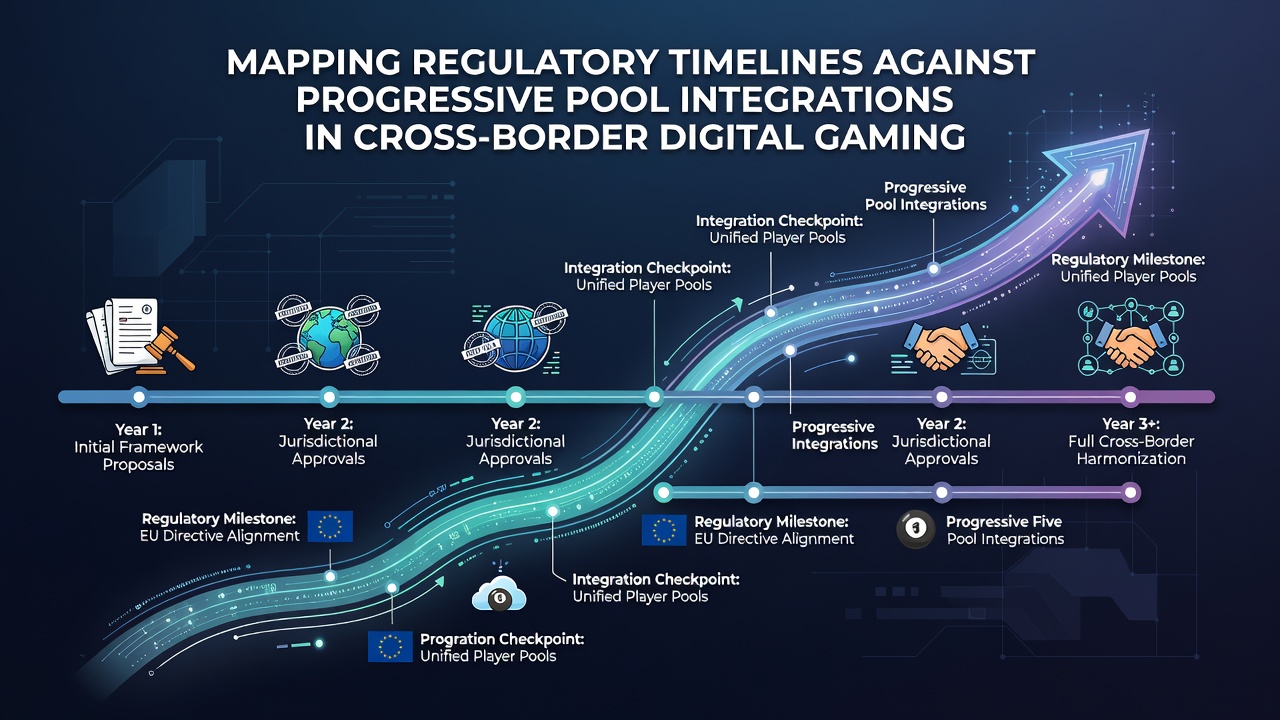
Additional layers of complexity arise from consumer protection mandates that vary by region, and these mandates often dictate how quickly pooled funds can be displayed or accessed by players in different countries. Research indicates that systems built with modular compliance features adapted more readily when regulatory timelines shifted, allowing operators to activate or pause specific pool segments without affecting overall network stability. What's interesting is how August 2026 data from multiple markets showed an uptick in such modular deployments as more jurisdictions released updated guidelines on jackpot transparency.
Case Examples of Timeline Mapping in Practice
One documented rollout involved a major operator linking progressive pools between two European markets and one Canadian province, where regulatory approvals converged in the first half of 2026. The project team mapped each approval deadline against software release schedules, then adjusted contribution percentages to satisfy the strictest reporting requirements among the three areas. Figures from the Responsible Gambling Council illustrate that similar coordinated efforts reduced integration errors by measurable margins compared with earlier uncoordinated expansions. Observers note that these successes depended on maintaining detailed timeline matrices that flagged potential conflicts months in advance.
Future Outlook for Coordinated Frameworks
Industry analysts project that continued refinement of regulatory calendars will support more seamless progressive pool integrations, particularly as digital gaming networks expand into additional Asia-Pacific markets with their own approval cycles. Evidence suggests that organizations investing in shared compliance platforms positioned themselves to respond faster when new timelines emerged in August 2026 and beyond. Those monitoring the sector continue to track how these mappings evolve as jurisdictions refine their approaches to cross-border prize structures.
Conclusion
Mapping regulatory timelines against progressive pool integrations remains an ongoing process that requires operators and regulators to maintain precise coordination across multiple markets. The patterns observed through August 2026 demonstrate that successful alignments depend on detailed scheduling, adaptable technology, and consistent monitoring of approval cycles. As networks grow, the ability to overlay these timelines accurately continues to determine the pace at which cross-border jackpot systems can expand while remaining compliant.