Synchronizing Cross-Platform Loyalty Points to Unlock Hidden Live Dealer Variants in Emerging Regional Markets
Written by Yves Otto · Aug 12, 2026
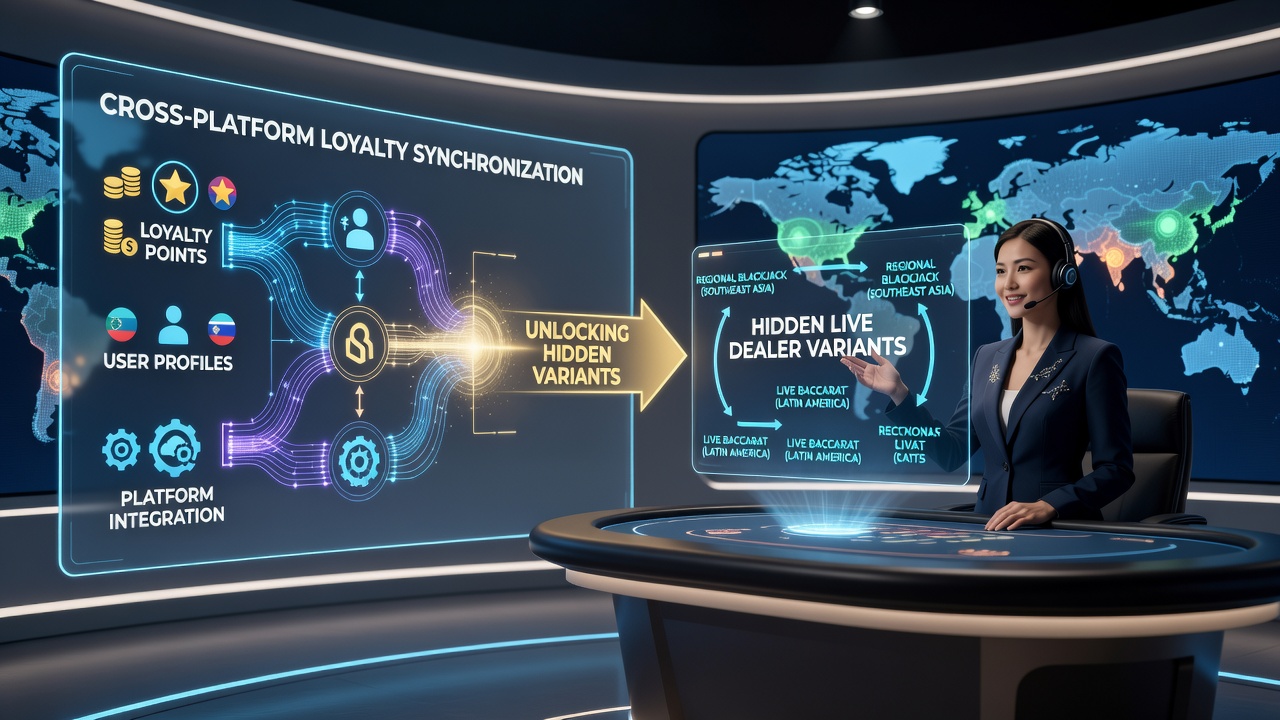
Synchronizing Cross-Platform Loyalty Points to Unlock Hidden Live Dealer Variants in Emerging Regional Markets
Operators in emerging regional markets have begun integrating loyalty point systems across multiple platforms to grant players access to specialized live dealer options that remain unavailable through standard accounts, and this approach relies on centralized data tracking that merges activity from mobile apps, desktop sites, and retail terminals into unified profiles.
Mechanics of Point Synchronization Across Devices
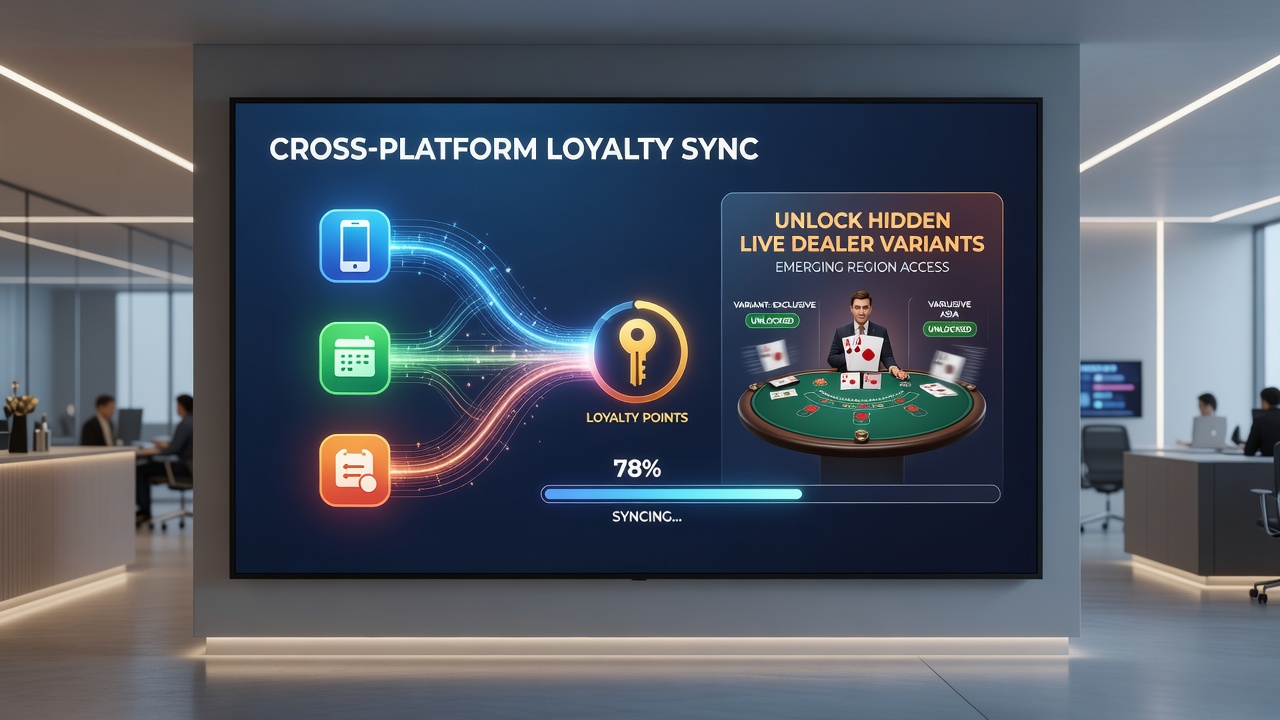
Systems collect wager data and redemption history from separate channels then consolidate those figures into a single ledger that updates in real time, which allows players who accumulate points on handheld devices to apply the same balance when accessing live dealer tables on larger screens or at physical venues. Software providers deploy application programming interfaces that communicate directly with loyalty engines maintained by casino groups, and these connections verify point totals before revealing variant tables such as regional rule adaptations or private dealer rooms. Data shows that synchronization reduces duplicate account creation while maintaining compliance with local licensing requirements in markets across Southeast Asia and Latin America.
Expansion Patterns in Emerging Markets During 2026
Regulatory bodies in several jurisdictions approved expanded live dealer offerings tied to loyalty thresholds in the first half of 2026, and August saw additional platform launches in Brazil and Vietnam where operators linked portable session tracking to exclusive dealer streams. Figures from industry reports indicate that synchronized programs increased average session duration by routing players toward variants that match their accumulated status, while emerging operators adopted tiered access models that mirror established practices in more mature regions. Those who've studied these deployments note that point portability supports compliance audits because transaction logs remain centralized regardless of the device used for play.
Technical Integration Examples
One operator network in the Philippines rolled out a unified rewards layer in early 2026 that connected its sports betting app with a live casino platform, enabling point transfers that unlocked dealer variants featuring localized card decks and betting limits. Similar infrastructure appeared in Colombia where regulators required transparent reporting of loyalty redemptions, and the resulting systems now feed point balances into live game lobbies automatically. Research indicates that such integrations rely on encrypted token exchanges that prevent point duplication across platforms, and observers note reduced support tickets once players no longer manage separate balances for each channel.
Regulatory and Market Data Considerations
Government agencies in Australia have published aggregate figures on digital gambling participation that highlight the role of cross-device tracking in player retention, and parallel documentation from Canadian provincial authorities shows similar patterns in loyalty program adoption. Responsible Gambling Council reports detail how synchronized points can direct players toward supervised live environments rather than unregulated alternatives. Industry associations such as the Asia Pacific Gaming Association have compiled case summaries from operators who implemented these systems, revealing that hidden variants often feature adjusted payout structures or exclusive side bets available only after point thresholds are met across platforms.
Player Access Pathways and Variant Unlocks
Players reach hidden live dealer content by maintaining continuous point accumulation that crosses device boundaries, and once thresholds are satisfied the interface presents additional table options that include private dealer interactions or region-specific rule sets. Data from platform providers indicates that these unlocks occur without requiring separate deposits when points transfer automatically, and the process maintains session continuity so participants move from mobile play to desktop live streams without resetting their status. Those monitoring market growth in emerging areas report that operators use these mechanics to comply with responsible gaming limits while still expanding content libraries for higher-tier accounts.
Conclusion
Synchronization of loyalty points across platforms has become a standard feature in several emerging markets by August 2026, driven by technical standards that consolidate activity logs and regulatory frameworks that emphasize transparent point management. Operators continue to link these systems to exclusive live dealer variants, and available data demonstrates measurable effects on session patterns and content accessibility without introducing new compliance burdens. The approach supports further expansion as more jurisdictions evaluate similar models for their digital gambling sectors.