The Interplay of Data Analytics and Personalized Game Recommendations in Online Gaming Hubs
Written by Yves Otto · Jul 29, 2026
The Interplay of Data Analytics and Personalized Game Recommendations in Online Gaming Hubs
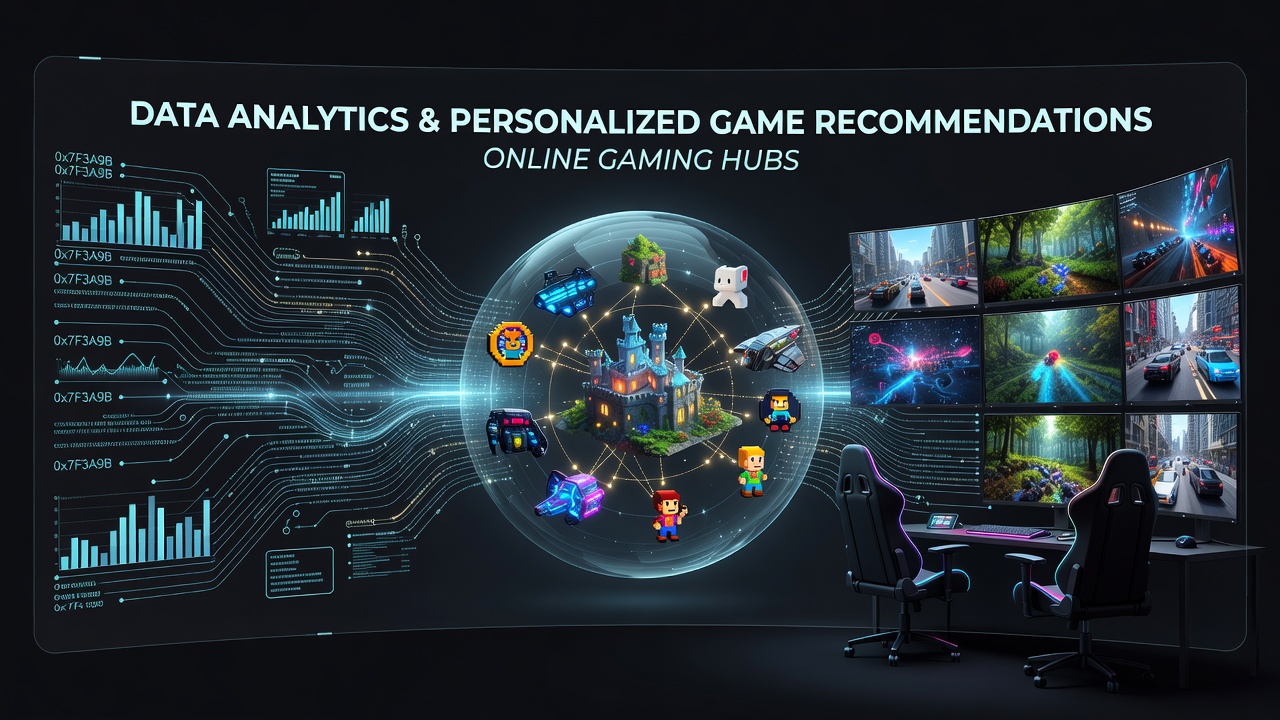
Data analytics now drives how online gaming hubs deliver game suggestions that match individual player histories and preferences, with platforms collecting vast amounts of interaction data to refine those outputs over time. Operators track metrics such as session duration, game selection patterns, and spending levels while algorithms process this information to generate recommendations that appear in real time on user dashboards. Research indicates these systems rely on machine learning models trained on aggregated player datasets that update continuously as new activity flows in.Core Mechanisms Behind Recommendation Engines
Platforms break player behavior into categories like preferred genres, average bet sizes, and time-of-day activity before feeding those variables into collaborative filtering techniques that compare one user against similar profiles across the network. Content-based filtering then layers on top by matching game attributes such as volatility levels or theme elements directly to past choices made by that same account. Hybrid approaches combine both methods so that recommendations stay relevant even when a player explores new categories, and updates occur after each completed session rather than on fixed schedules.
Observers note that in July 2026 several major hubs reported measurable lifts in engagement after implementing real-time data pipelines that refresh suggestion lists within seconds of a player finishing a round. Those pipelines pull from multiple sources including in-game telemetry, device information, and even external factors like regional events that correlate with higher login rates during certain hours.
Integration of Player Data Sources
Gaming hubs aggregate information from account creation details through to every spin or hand played, creating detailed profiles that evolve with continued use. Payment history and bonus redemption patterns add further dimensions that help systems predict which game types might sustain longer sessions for specific users. Academic studies from institutions such as the University of Nevada, Reno have examined how these layered datasets improve prediction accuracy when models account for seasonal fluctuations in play volume.
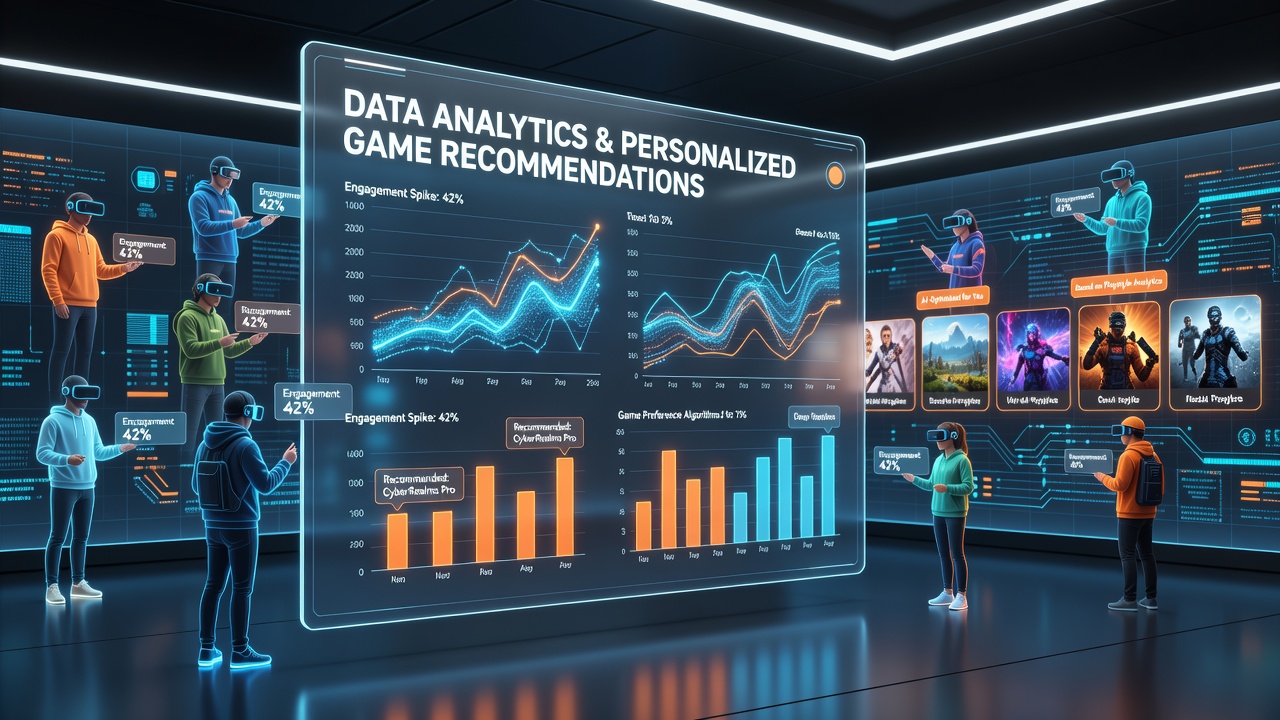
One study revealed that incorporating location-based signals alongside behavioral logs allowed platforms to surface regionally popular titles at higher rates without manual intervention. European operators, drawing on frameworks from the Malta Gaming Authority, have documented similar gains when cross-referencing device type data with historical win-rate preferences to adjust suggestion priority.
Impact on Session Dynamics and Retention
Figures from industry reports show that personalized recommendations correlate with increased session length when players receive suggestions aligned with their established patterns rather than generic top lists. Platforms achieve this by monitoring exit points and testing alternative recommendation placements to reduce early departures. Data shows that players who follow at least one suggested title per session tend to return more frequently over subsequent weeks compared with those who navigate without prompts.
Yet the process requires constant calibration because player tastes shift after exposure to new mechanics or after reaching certain loyalty milestones. Analysts at the Canadian Gaming Association have tracked how tiered reward systems interact with these algorithms, noting that higher-status users receive different suggestion weights that emphasize exclusive variants while lower-tier accounts see broader selections designed to encourage exploration.
Regulatory and Technical Considerations
Regulatory bodies across multiple jurisdictions require transparency around data usage in recommendation systems, prompting operators to implement audit trails that record which data points influenced each suggestion. Compliance teams review these logs regularly to confirm that personalization stays within approved boundaries and does not inadvertently promote excessive play. Technical teams meanwhile focus on reducing latency so that even complex model outputs reach the interface before the next game loads.
What's interesting is how partnerships with third-party analytics providers have accelerated development cycles, allowing smaller hubs to deploy sophisticated engines without building every component internally. These collaborations often include shared benchmarking data that helps standardize performance metrics across the sector while still preserving individual platform differentiation.
Conclusion
The relationship between data analytics and personalized recommendations continues to shape how online gaming hubs operate, with ongoing refinements driven by expanding datasets and evolving player expectations. As models incorporate additional variables and regulatory standards mature, the systems maintain their role in guiding user navigation through increasingly large game libraries. Observers expect further integration of emerging technologies such as edge computing to support even faster personalization cycles in the months ahead.