Tracing Asset Pathways That Align Tiered Milestones With Adaptive Mechanics in Cross-Border Digital Wagering Networks
Written by Ulrich Jung · Jul 8, 2026
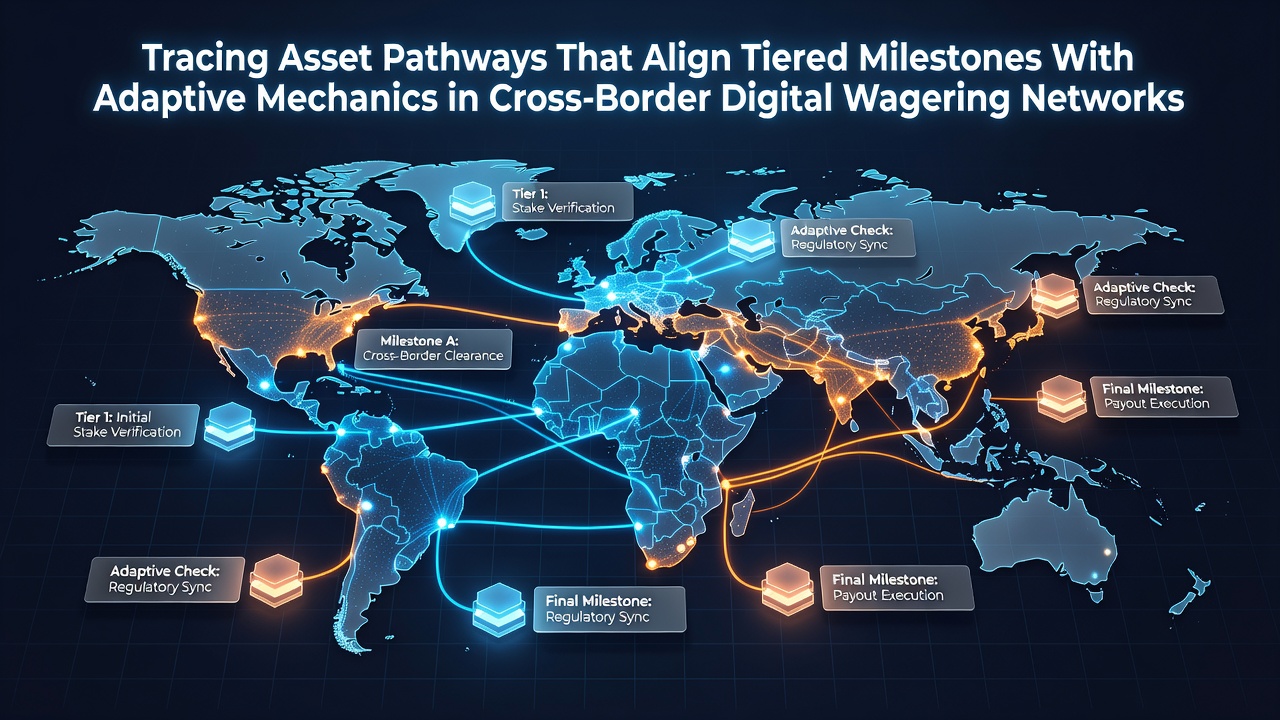
Tracing Asset Pathways That Align Tiered Milestones With Adaptive Mechanics in Cross-Border Digital Wagering Networks
Asset pathways in cross-border digital wagering networks operate through layered tracking systems that synchronize fund movements with tiered milestones such as entry-level rewards, mid-tier access points, and premium status thresholds while adaptive mechanics adjust game parameters in real time based on user progression data. These networks process transactions across multiple jurisdictions where payment rails, blockchain ledgers, and centralized clearing houses route assets according to predefined milestone criteria that trigger mechanic shifts like altered probability tables or dynamic payout multipliers.
Core Components of Asset Pathway Mapping
Payment processors integrate with wagering platforms to log every deposit, withdrawal, and internal transfer against milestone databases maintained by operators and verified by third-party auditors. Researchers at institutions studying global gaming infrastructure have documented how these logs feed into adaptive engines that modify session parameters once cumulative asset thresholds are crossed, creating seamless transitions between standard play modes and enhanced feature sets without interrupting network continuity.
Cross-border elements introduce additional variables because currency conversions, tax withholdings, and regulatory reporting requirements alter the velocity and visibility of asset flows. Data from regulatory filings in multiple regions shows that operators maintain separate ledgers for each jurisdiction yet route them through unified milestone engines that reconcile differences in real time using standardized APIs.
Tiered Milestones and Their Technical Alignment
Tiered milestones function as decision nodes within the pathway architecture where accumulated wager volume, deposit frequency, or net asset retention determine progression. Each node links directly to adaptive mechanics that recalibrate elements such as bet sizing limits, feature unlock sequences, and risk exposure bands. Observers tracking platform architectures note that these alignments rely on event-driven triggers rather than fixed calendars, allowing pathways to respond instantly to asset movements regardless of geographic origin.
Implementation often involves middleware layers that sit between front-end client applications adn backend settlement systems. These layers evaluate milestone criteria against live asset data streams and then signal adaptive modules to adjust game states accordingly. Figures released by industry technology providers indicate that synchronization latency remains under 200 milliseconds in most production environments, supporting uninterrupted cross-border sessions.
Adaptive Mechanics in Practice
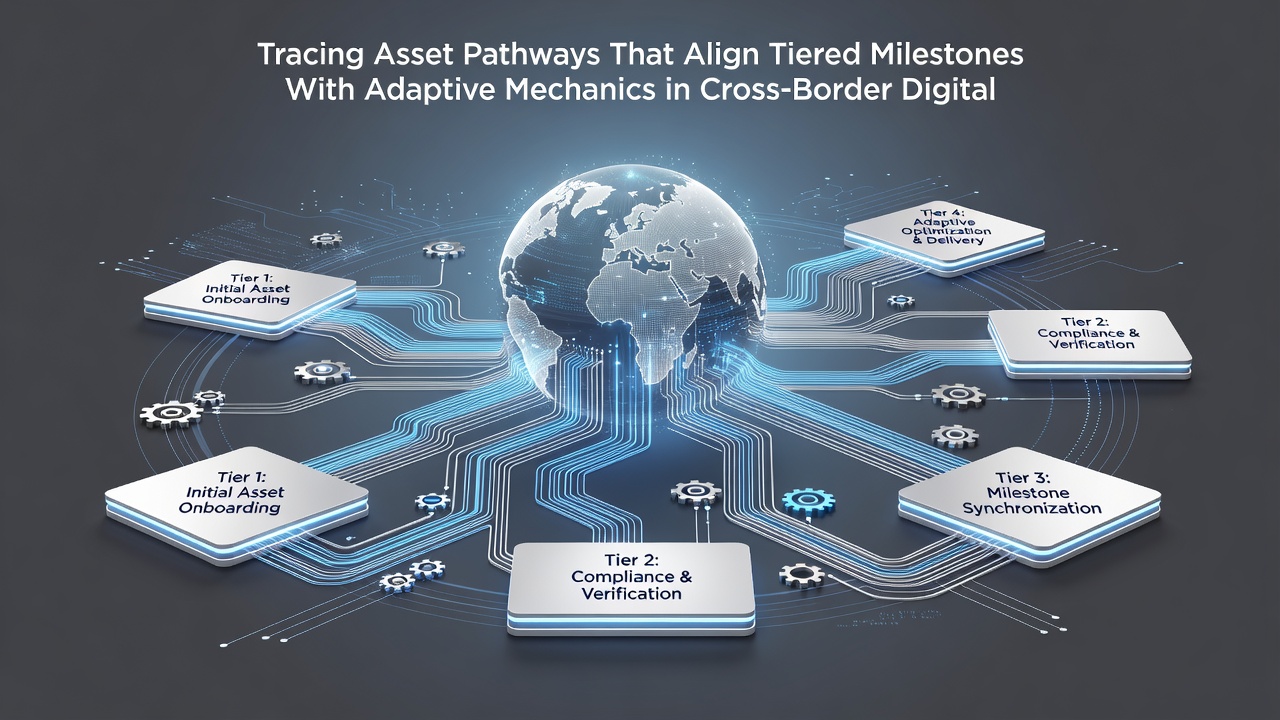
Adaptive mechanics encompass rule sets that evolve according to milestone attainment and current asset trajectory. When a user crosses into a new tier, the system can expand reel configurations in virtual environments, introduce progressive jackpot eligibility, or modify live table parameter ranges. These changes propagate through the same pathways that carry asset data, ensuring consistency across devices and borders.
One documented approach uses machine learning models trained on historical transaction patterns to predict milestone timing and pre-stage mechanic adjustments. Reports from technology conferences held in 2025 highlighted deployments where these models reduced adjustment errors by 34 percent compared with static rule engines. In July 2026 several networks began rolling out updated versions that incorporate real-time regulatory compliance checks directly into the adaptation logic.
Cross-Border Regulatory and Technical Considerations
Jurisdictional differences require asset pathways to embed compliance flags at each transfer point. The International Association of Gaming Regulators maintains guidelines that operators reference when designing milestone triggers so that adaptive changes remain within legal parameters for every participating country. Currency controls in certain markets further complicate routing because conversion steps must align with both milestone timing and local reporting deadlines.
Technical standards developed by organizations such as the European Gaming Association promote interoperability between ledger formats, allowing pathways to maintain continuity even when assets move between fiat rails and tokenized systems. These standards also specify audit trails that capture every mechanic adjustment triggered by a milestone event.
Implementation Examples Across Networks
Networks operating in the Asia-Pacific region have integrated asset pathway systems that tie deposit streaks directly to adaptive bonus round frequencies while respecting varying national gambling statutes. Similar frameworks in North American multi-state operations link loyalty tier advancement to dynamic table minimum adjustments that activate only after cross-border asset verification completes. Case studies presented at industry forums describe how these alignments reduce reconciliation discrepancies between operator records and regulatory submissions.
Testing protocols typically involve simulated asset flows that traverse multiple jurisdictions and milestone tiers in sequence. Results from such tests reveal that pathway integrity holds when adaptive mechanics receive synchronized timestamp data from all involved ledgers. Any deviation triggers fallback procedures that freeze further adjustments until reconciliation occurs.
Conclusion
Asset pathway tracing that aligns tiered milestones with adaptive mechanics continues to evolve as cross-border digital wagering networks expand their technical reach. Integration of real-time compliance layers, standardized ledger formats, and predictive adjustment engines supports consistent operation across jurisdictions. Ongoing developments through mid-2026 focus on tightening synchronization between asset movements and mechanic responses while preserving auditability for regulatory oversight.