Tracing Certification Timelines That Shape Availability Windows for Virtual Table Variants Across Emerging Regulatory Zones
Written by Greta Wolf · Jul 25, 2026
Tracing Certification Timelines That Shape Availability Windows for Virtual Table Variants Across Emerging Regulatory Zones
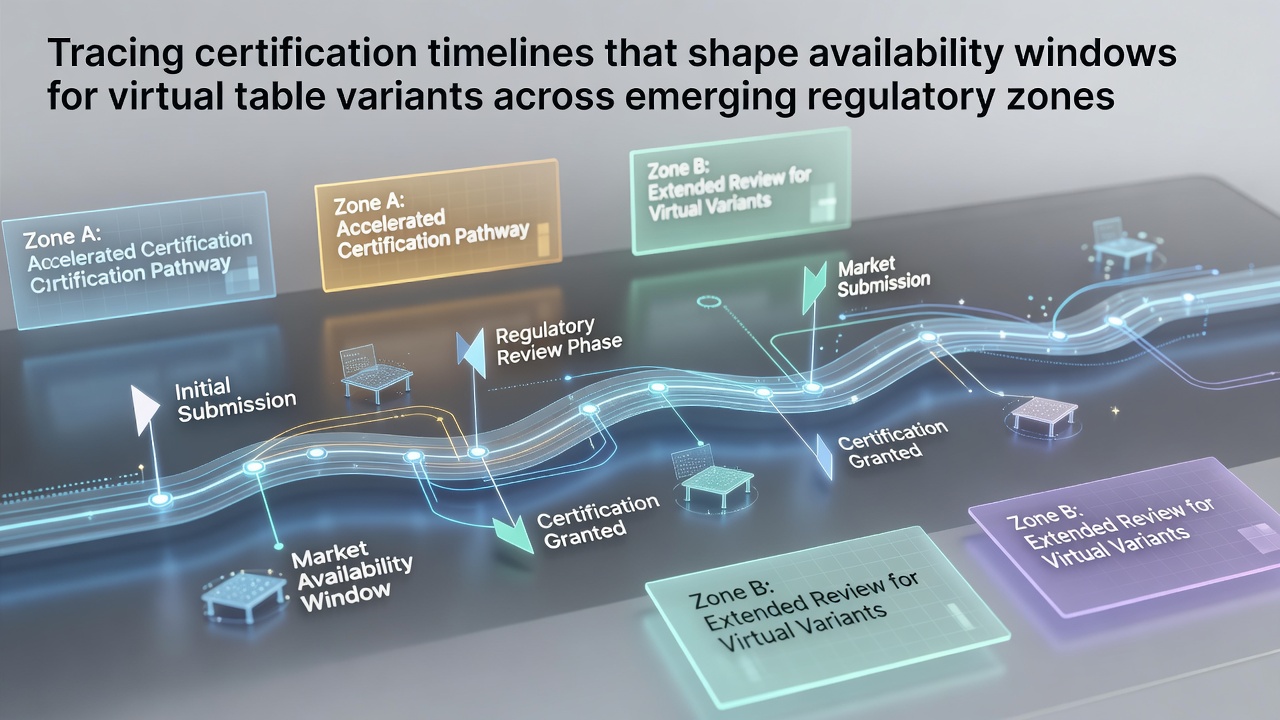
Certification processes for virtual table variants establish the precise windows during which operators can launch games such as blackjack, roulette, and poker derivatives in newly regulated markets, and these timelines often stretch across multiple review stages that include software audits, random number generator testing, and jurisdictional compliance checks. Regulatory bodies require sequential approvals before any variant reaches player-facing servers, which means the interval between initial application and final authorization determines when specific table mechanics become accessible.
Core Stages in Certification Sequences
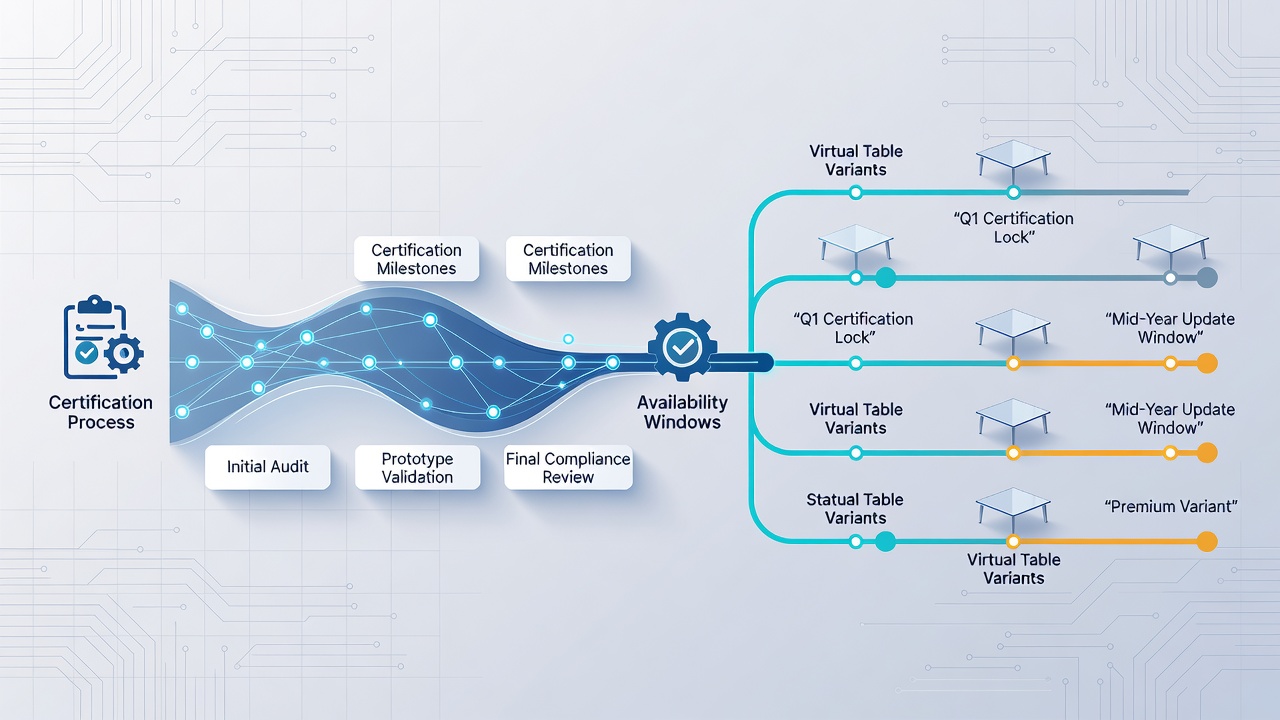
Initial software submission triggers a technical evaluation phase where independent laboratories examine game logic, payout structures, and security protocols, after which applicants receive detailed feedback that may necessitate revisions before the next round of assessment begins. Observers note that this back-and-forth period typically spans several months, and each iteration adds calendar time that directly shifts the projected launch date for operators seeking to introduce new variants. Data from multiple jurisdictions shows that games incorporating live dealer streams encounter additional layers of scrutiny focused on video feed integrity and dealer authentication systems, whereas purely RNG-based variants move through fewer checkpoints once core RNG certification is complete.
Regional Variations in Approval Durations
Emerging regulatory zones in Latin America have adopted staggered implementation schedules, and Brazil's framework requires parallel submissions to both federal and state-level entities, which extends the overall timeline beyond what single-agency models produce. Canadian provincial regulators, by contrast, coordinate through shared technical standards that allow simultaneous review across multiple table variants, shortening the window from submission to availability. Figures released by the New Jersey Division of Gaming Enforcement reveal that virtual table products submitted in early 2025 cleared final hurdles by mid-2026 in several cases, establishing a practical benchmark for operators planning cross-border expansions.
One documented pathway illustrates how a European operator navigated certification for a multi-variant roulette platform across two new markets simultaneously, completing the Malta Gaming Authority technical review in four months while the parallel process in an Australian state required nine months due to additional responsible gaming integration tests. That divergence created an availability gap where the game reached one region well before the other, illustrating how certification sequencing influences market entry order.
Impact of July 2026 Milestones
Regulatory calendars indicate that several emerging zones have aligned final certification deadlines with July 2026, and operators who submitted complete documentation packages by late 2025 stand positioned to activate virtual table variants during that window. The alignment stems from legislative mandates that tie new licensing rounds to fiscal reporting cycles, which in turn compresses or expands the effective availability period depending on how quickly each application navigates the queue. Those tracking these schedules observe that delays in one jurisdiction rarely affect others unless shared testing facilities become backlogged, a scenario that occurred during the 2024-2025 surge in submissions.
Technical and Compliance Interdependencies
Certification bodies often require that any update to core platform code triggers re-evaluation of previously approved variants, and this ripple effect can push back availability dates even for games that already cleared initial hurdles. Industry reports compiled by the European Gaming and Betting Association document cases where minor interface adjustments led to full recertification cycles lasting an additional 60 to 90 days. Such interdependencies mean that operators planning phased rollouts must map every component change against each jurisdiction's retesting rules to avoid unintended postponements.
Future Outlook for Availability Windows
Analyses from academic studies on gaming regulation suggest that harmonization efforts between emerging zones could reduce average certification durations by 20 to 30 percent over the next five years, although current divergence in testing protocols continues to create staggered availability patterns. Regulatory agencies in Asia-Pacific markets have begun piloting mutual recognition agreements for RNG certificates, which may shorten the interval between technical approval and commercial launch once those frameworks mature. Data collected through 2025 indicates that zones adopting these agreements experienced faster deployment of new table variants compared with regions maintaining fully independent verification processes.
Conclusion
Certification timelines function as gatekeepers that determine when virtual table variants reach players in emerging regulatory zones, and the sequence of technical reviews, jurisdictional approvals, and compliance validations creates measurable availability windows. Operators who align submission schedules with known regulatory calendars gain clearer projections for market entry, while those navigating multiple zones simultaneously must account for regional differences in processing speed. Continued tracking of these timelines provides the factual basis for anticipating when specific game mechanics will become operational across expanding regulatory landscapes.